
Rediscovered: Roman Vishniac’s Social Documentary Practice
Roman Vishniac was one of the best-known photographers of life in Eastern Europe in the years before the Holocaust changed it irrevocably. Through publications, such as his famous 1983 book A Vanished World, his photographs profoundly influenced contemporary notions of that world and way of life. If at times Vishniac crafted a particular story for an image, he did so in order to use photography to protect a people and their legacy.
Social documentary photographs are taken with a purpose: to share the events and conditions of one place or moment, whether to draw attention, change opinion, or spread news. The style of social documentary photography in the 1930s—which is when Vishniac began making his photographs—assumed a strong narrative approach that centered on documenting human subjects. These images weave reality into a compelling personal story that engages viewers’ intellect and emotion.
Most of Vishniac’s published photographs were carefully selected to convey a particular message to elicit a particular response. They showed piety and poverty; religious leaders and boys in cheder (a traditional elementary school teaching the tenets of Judaism and Hebrew); destitute children and families and shopkeepers with nothing to sell. Together, the images enhance a conception of pre-Holocaust Jewish life in Eastern Europe as rich in spiritual tradition but otherwise greatly impoverished.
Only a small fraction of Vishniac’s work was published or printed in his lifetime (1897–1990). The exhibition Roman Vishniac Rediscovered offers the first overview of his full body of work, including many photographs only recently discovered. This broader scope reveals a markedly modern world with a vibrant lifestyle in which secular and religious, urban and rural, and wealthy and poor mingled freely. With the ultimate destruction of that world, Vishniac’s photographs became the defining visual record of a people on the verge of elimination, of a world that was actually much more diverse than previously illustrated in images.
See “Roman Vishniac Rediscovered” in the Beck Building through January 3 for free with general admission.
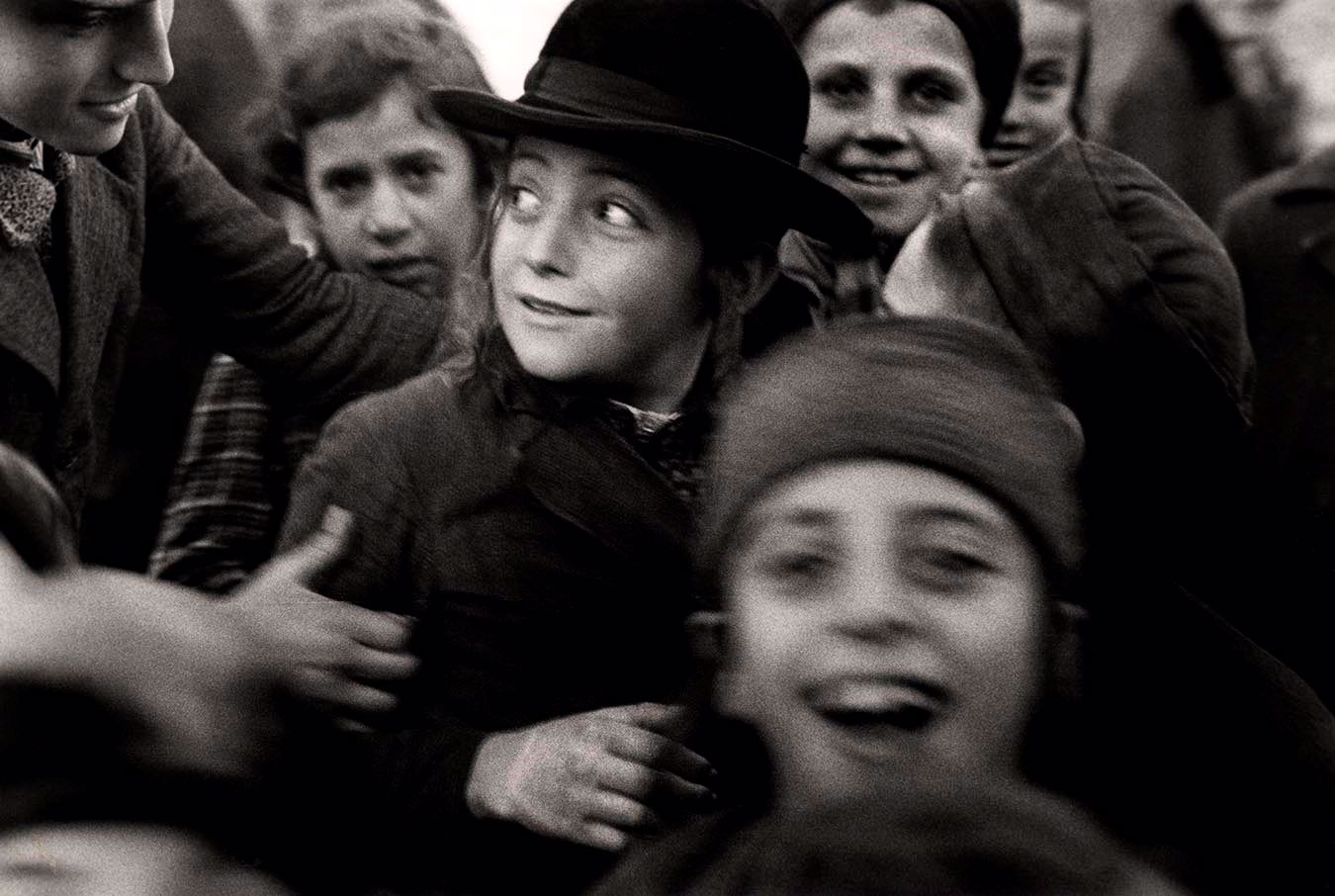
Roman Vishniac, [Jewish schoolchildren, Mukacevo], c. 1935–38, gelatin silver print. © Mara Vishniac Kohn, courtesy International Center of Photography
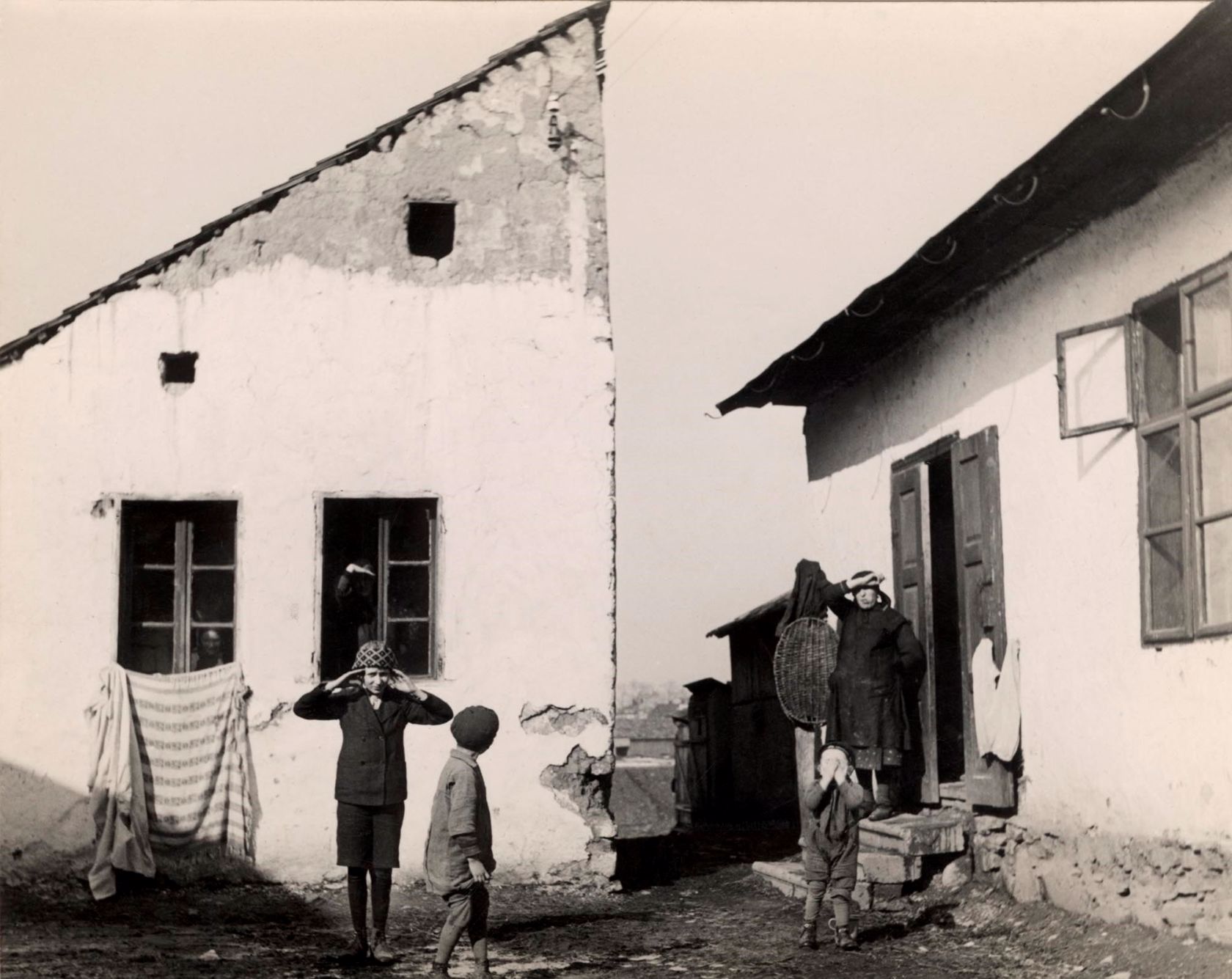
Roman Vishniac, Villagers in the Carpathian Mountains, c. 1935–38, gelatin silver print. © Mara Vishniac Kohn, courtesy International Center of Photography
![Roman Vishniac, [Boy with kindling in a basement dwelling, Krochmalna Street, Warsaw], c. 1935–38, gelatin silver print. © Mara Vishniac Kohn, courtesy International Center of Photography](https://static.mfah.com/images/vishniac---boy-with-kindling.4416870966881496163.jpg?width=1680)
Roman Vishniac, [Boy with kindling in a basement dwelling, Krochmalna Street, Warsaw], c. 1935–38, gelatin silver print. © Mara Vishniac Kohn, courtesy International Center of Photography
![Roman Vishniac, [Inside the Jewish quarter, Bratislava], c. 1935–38, gelatin silver print. © Mara Vishniac Kohn, courtesy International Center of Photography](https://static.mfah.com/images/vishniac---inside-the-jewish-quarter.16988333767373267670.jpg?width=1680)
Roman Vishniac, [Inside the Jewish quarter, Bratislava], c. 1935–38, gelatin silver print. © Mara Vishniac Kohn, courtesy International Center of Photography
Posts
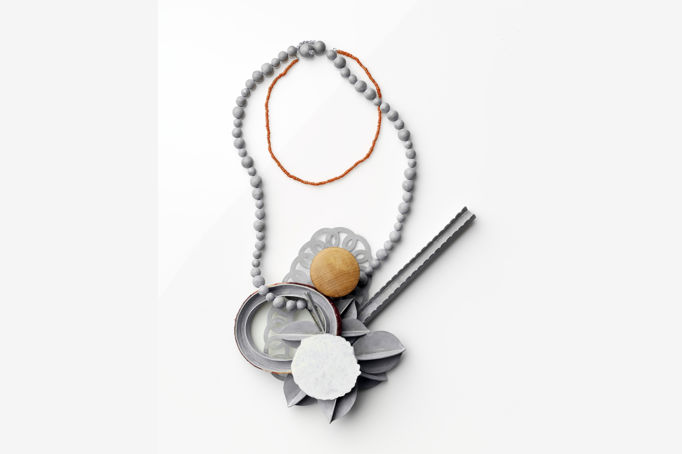
At-Home Art Activity “Exploring Materials and Creating & Modifying Beads” November 15, 2022
Create your own art while exploring a variety of materials and beads, with inspiration from works in the MFAH collections.
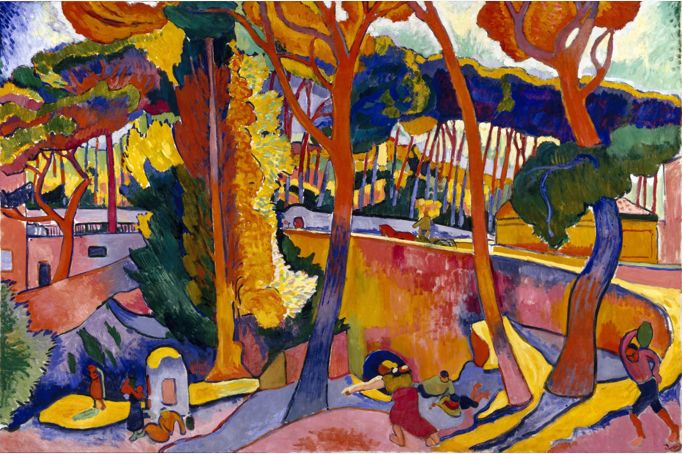
At-Home Art Activity “Exploring Fauvism and Creating Colorful Landscapes” October 10, 2022
Make your own art inspired by the Fauvist movement and André Derain’s The Turning Road, L’Estaque.
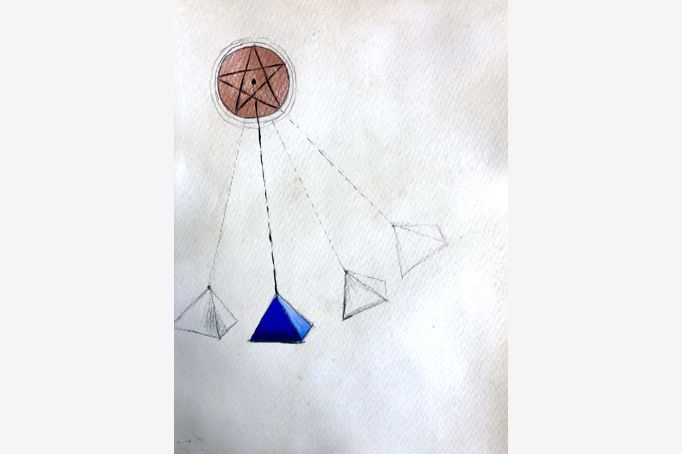
At-Home Art Activity Inspired by “Shahzia Sikander: Extraordinary Realities” May 20, 2022
Make your own art inspired by the work of Shahzia Sikander in the exhibition Extraordinary Realities.
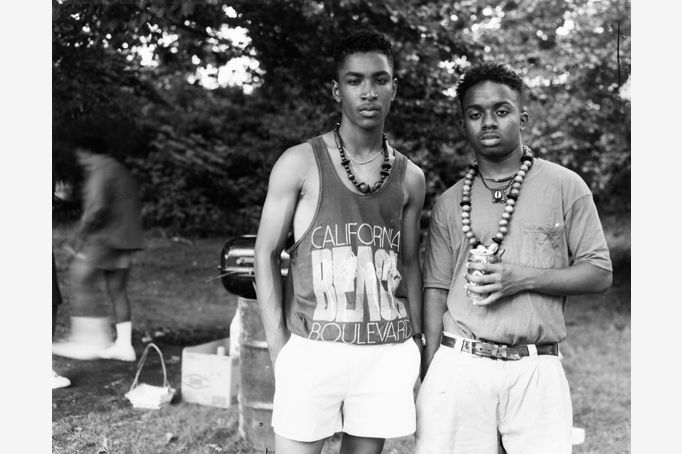
At-Home Art Activities Inspired by “Dawoud Bey: An American Project” May 6, 2022
Create your own works of art with these projects and inspiration from the photographs in the exhibition Dawoud Bey: An American Project.
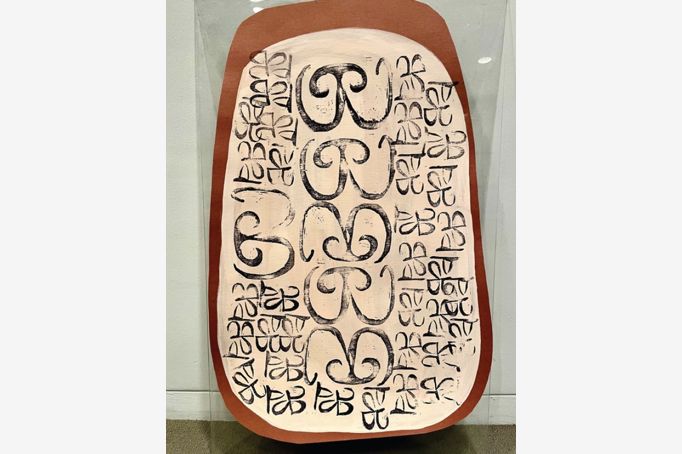
At-Home Activities Inspired by Art from the Indigenous Pacific Islands and Australia May 2, 2022
Create your own works of art with inspiration from the Indigenous Pacific Islands and Australia.