
Three Questions for Christopher Rothko
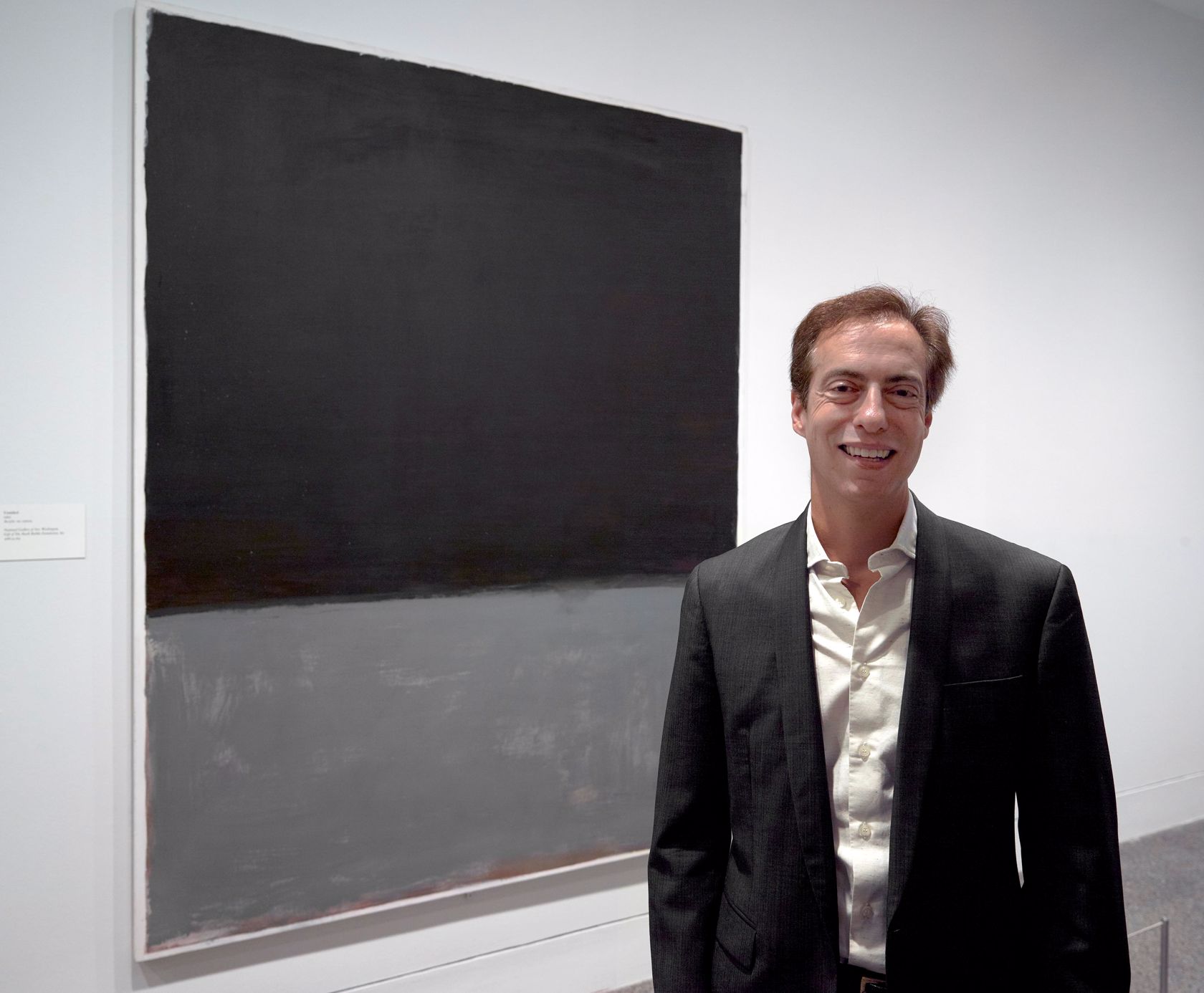
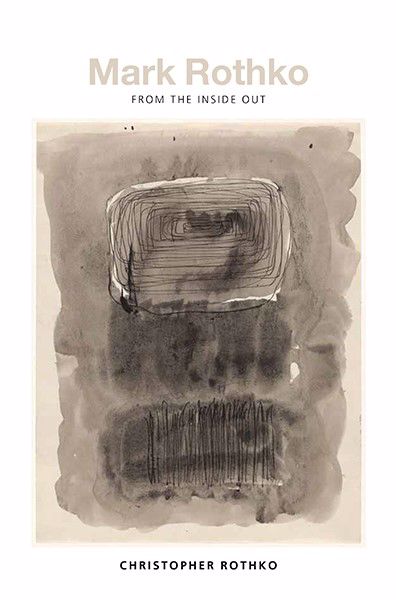
The exhibition Mark Rothko: A Retrospective brought to Houston—its only U.S. venue—a visit from a top Rothko scholar who also happens to be the artist’s son. I talked with Christopher Rothko about the work of his father, the subject of his new book Mark Rothko: From the Inside Out, published this autumn by Yale University Press.
1. Is there something about this exhibition that makes it different from other surveys of your father’s career?
In some ways you could say this is a typical retrospective, in that it covers the entire output of my father’s career. But, as Alison de Lima Greene has pointed out, this collection of works includes many that were intentionally retained by my father, ones that remained important to him and that he took from studio to studio throughout the course of his career. This group of works has a closer connection to my father.
2. Does Houston offer a special context for your father’s work?
I think of Houston as maybe the central Rothko city. New York is really where he spent all of his adult life, and there are a huge number of his paintings there, but Houston not only has important collections of Rothko work, it also has the Rothko Chapel, which was really the ultimate statement of what he was trying to do—the one chance where he got to make an environment for his work where the viewer and artist could come together in an intense, deep conversation. Having the chapel, the Museum of Fine Arts, and the Menil Collection makes Houston perhaps the best place to see Rothko.
3. What does overseeing your father’s collection mean to you?
I wear a lot of different Rothko hats, and overseeing the collection means everything from working with the archive, to editing and bringing papers to publication, to organizing and occasionally curating exhibitions.
What all that adds up to—or maybe what I should say it all comes from—is that connection I feel to this work. Something continually moves me in my father's painting. And as special as that feels to me, I actually don’t think it's that different from other people who love Rothko. He is trying to have such a central conversation about what it means to be human. To have a relationship with Rothko is necessarily to have a personal relationship.
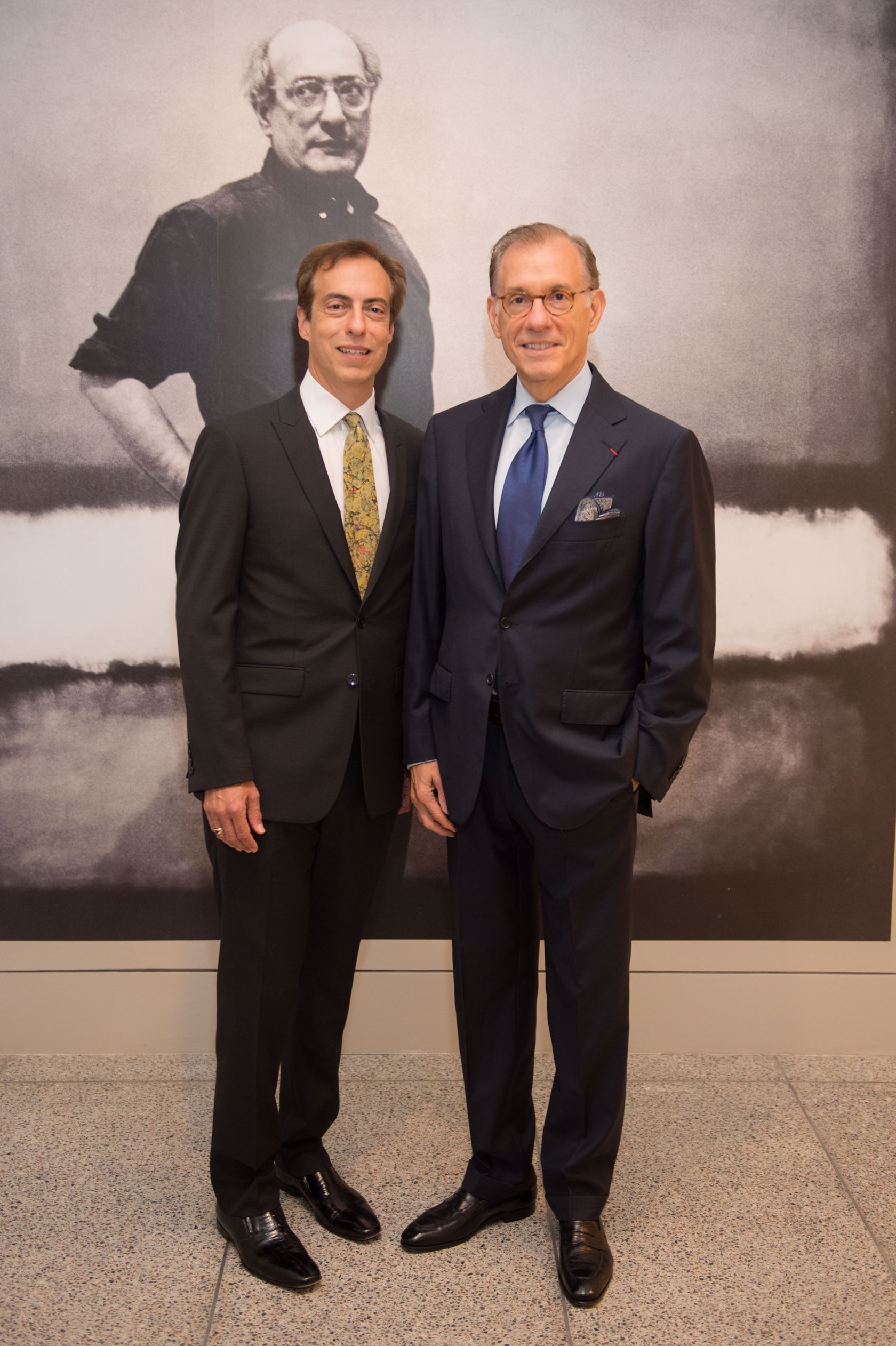
Hear more from Christopher on Monday, November 16, when he returns to the Museum to discuss his father’s work with our director, Gary Tinterow, at Conversations with the Director.
Posts
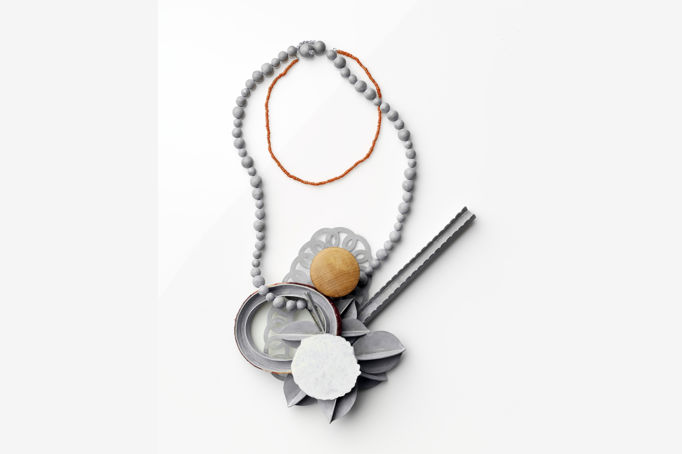
At-Home Art Activity “Exploring Materials and Creating & Modifying Beads” November 15, 2022
Create your own art while exploring a variety of materials and beads, with inspiration from works in the MFAH collections.
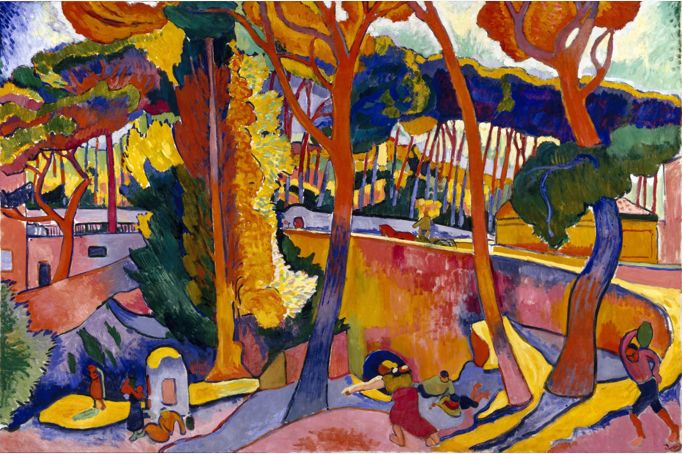
At-Home Art Activity “Exploring Fauvism and Creating Colorful Landscapes” October 10, 2022
Make your own art inspired by the Fauvist movement and André Derain’s The Turning Road, L’Estaque.
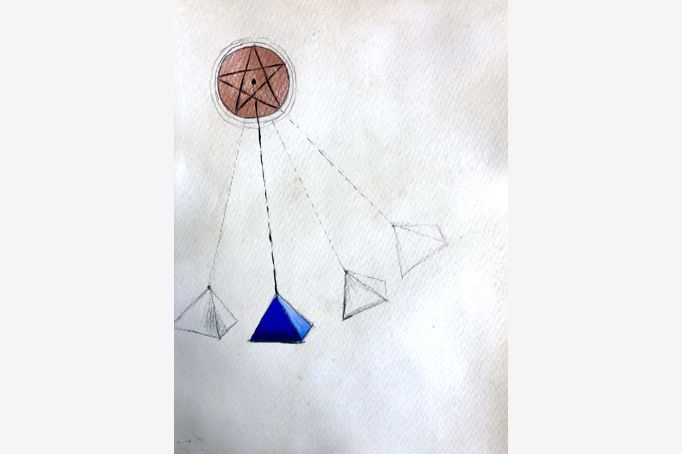
At-Home Art Activity Inspired by “Shahzia Sikander: Extraordinary Realities” May 20, 2022
Make your own art inspired by the work of Shahzia Sikander in the exhibition Extraordinary Realities.
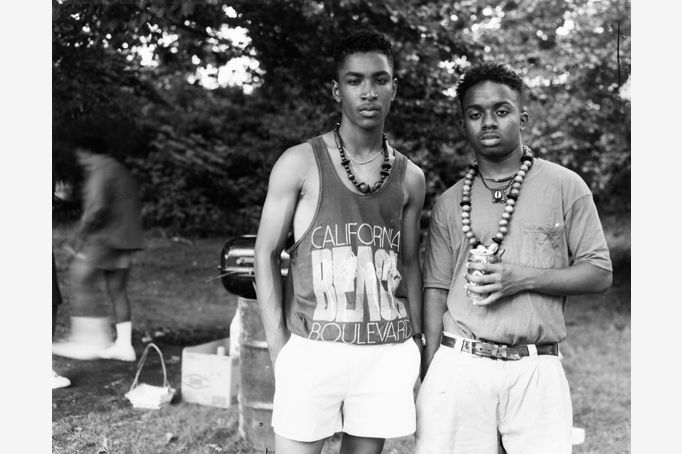
At-Home Art Activities Inspired by “Dawoud Bey: An American Project” May 6, 2022
Create your own works of art with these projects and inspiration from the photographs in the exhibition Dawoud Bey: An American Project.
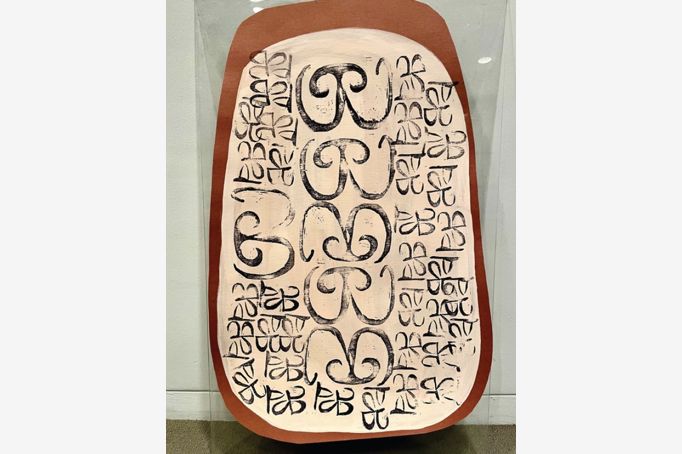
At-Home Activities Inspired by Art from the Indigenous Pacific Islands and Australia May 2, 2022
Create your own works of art with inspiration from the Indigenous Pacific Islands and Australia.