
Persian Carpets across Time
Visitors to Rebel, Jester, Mystic, Poet: Contemporary Persians are greeted by a large stack of carpets, with a fighter jet–shaped section removed from the center. The choice of Farhad Moshiri’s Flying Carpet as the opening work for this groundbreaking exhibition is deliberate: For Western viewers, the Persian carpet is one of the most recognizable forms of art from Islamic worlds. Carpets have been collected in Europe and America for centuries, and they also form a strong part of Persian cultural identity. Moshiri brings this historical medium into a contemporary context, juxtaposing the carpets with a startling symbol of modern warfare.
Connections That Cross Centuries
To gain a deeper understanding of this reference, visitors can delve into the al-Sabah Collection, on display over in the Law Building. The al-Sabah installation of Islamic art features three carpets, including one from Iran’s Safavid period (1501–1722).
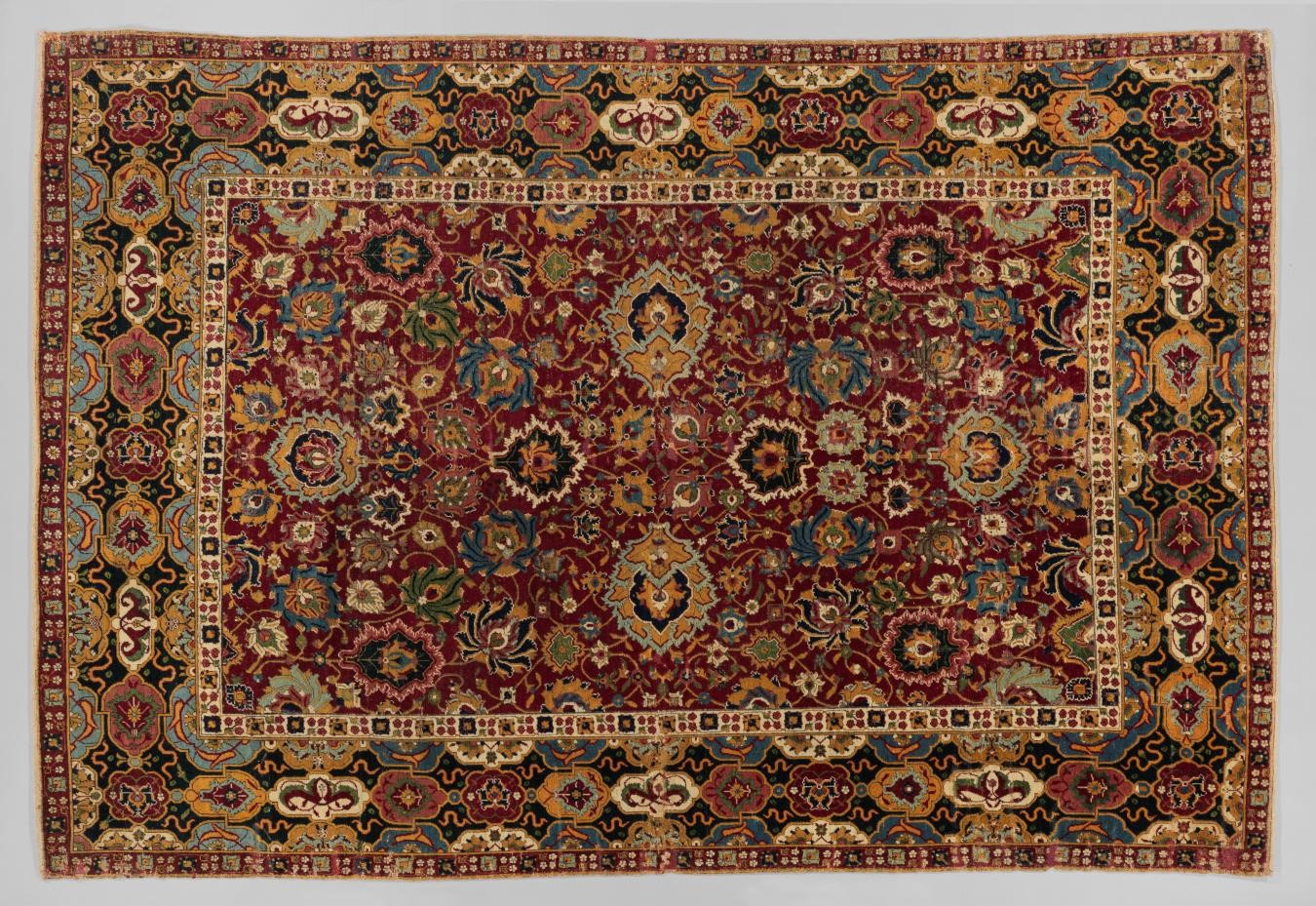
Iranian, Carpet, 17th century, wool, The al-Sabah Collection, Dar al-Athar al Islamiyyah, Kuwait.
This magnificent 17th-century carpet’s intricate design of scrolling vines and stylized blossoms was handwoven by highly skilled artisans. Carpets played an important role in courtly and religious ceremonies by marking places of honor for the nobility in a secular context and places of prayer in a religious one.
A Contemporary Twist
Farhad Moshiri’s carpets take on a completely different role. No longer the product of handweaving, the floral designs are mass-produced by machine and, as a result, lack the artistic qualities of their Safavid ancestor. Comparison with the Safavid carpet emphasizes the sense of change and loss of traditional culture evoked by Moshiri’s Flying Carpet. The more direct symbolism of the fighter jet echoes this message, turning the romantic notion of a magic carpet into a sinister vision of contemporary strife.
See “Rebel, Jester, Mystic, Poet,” on view in the Beck Building through September 24, and “Arts of Islamic Lands: Selections from The al-Sabah Collection, Kuwait” in the Law Building.
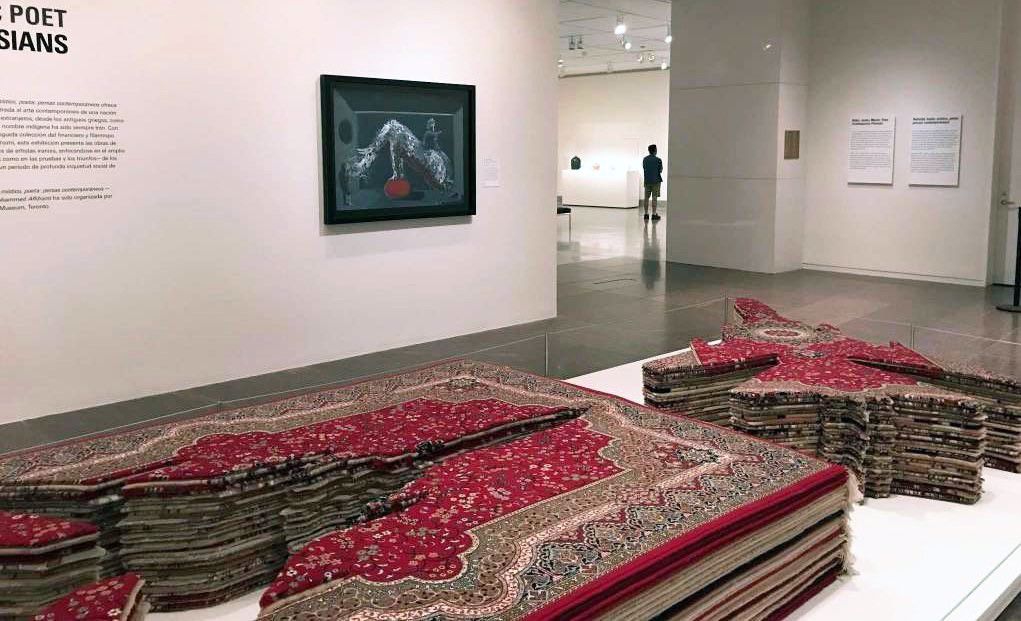
The entrance to Rebel, Jester, Mystic, Poet: Contemporary Persians—The Mohammed Afkhami Collection features Farhad Moshiri’s installation Flying Carpet.
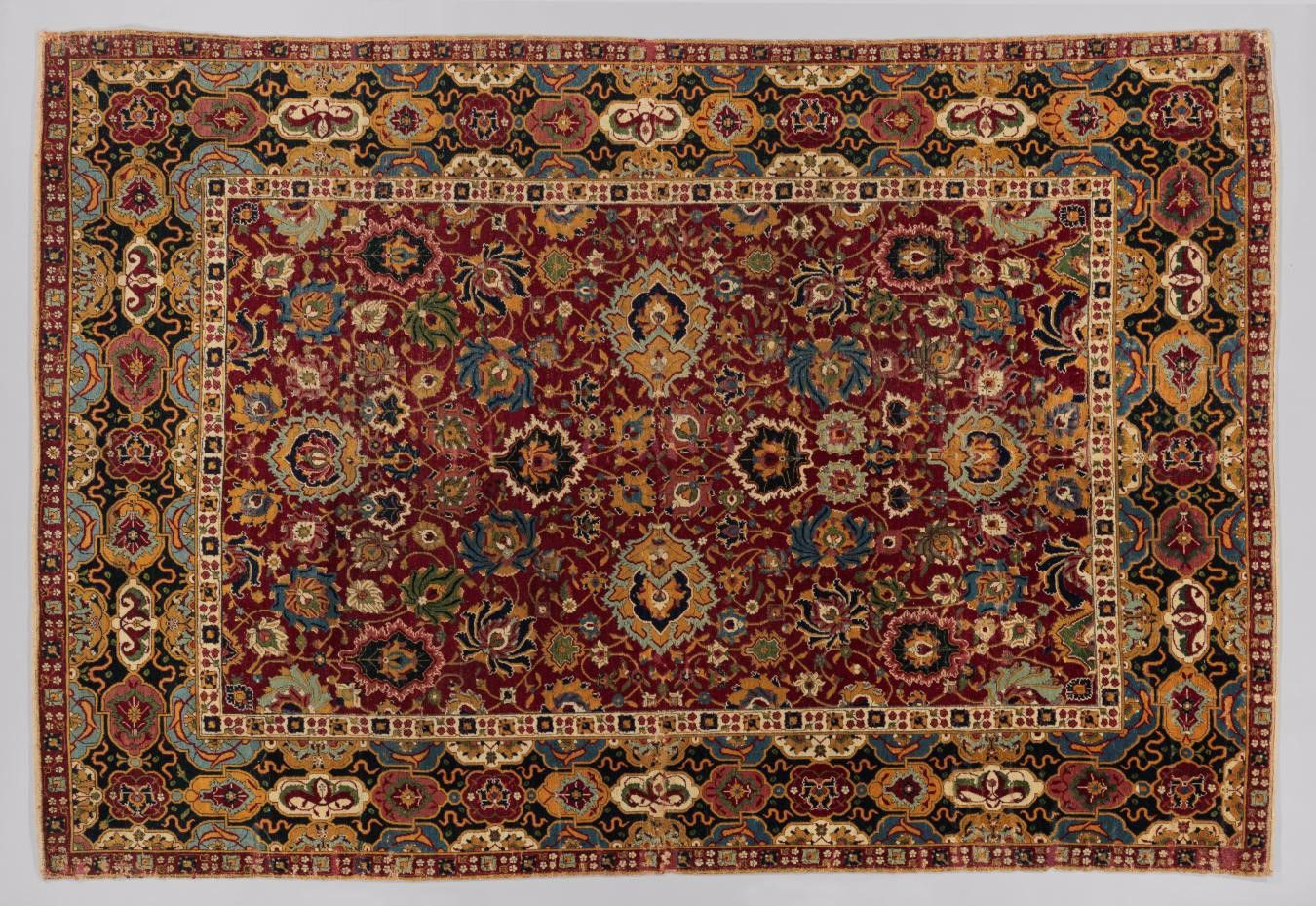
Iranian, Carpet, 17th century, wool, The al-Sabah Collection, Dar al-Athar al Islamiyyah, Kuwait.
Posts
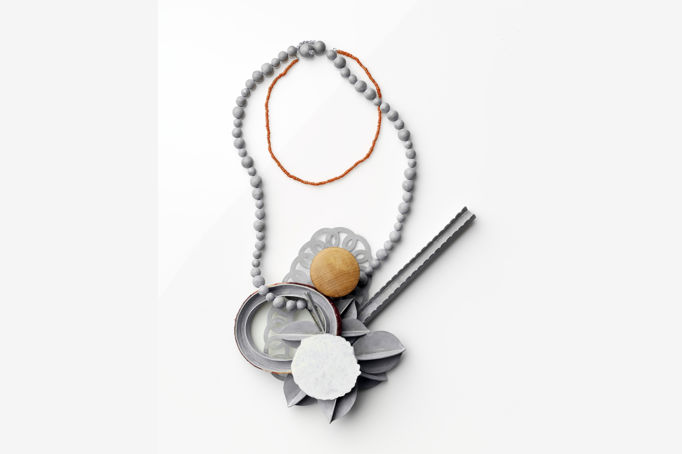
At-Home Art Activity “Exploring Materials and Creating & Modifying Beads” November 15, 2022
Create your own art while exploring a variety of materials and beads, with inspiration from works in the MFAH collections.
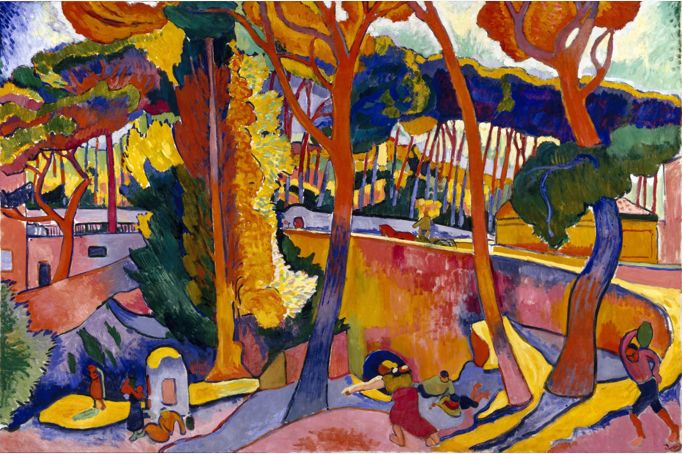
At-Home Art Activity “Exploring Fauvism and Creating Colorful Landscapes” October 10, 2022
Make your own art inspired by the Fauvist movement and André Derain’s The Turning Road, L’Estaque.
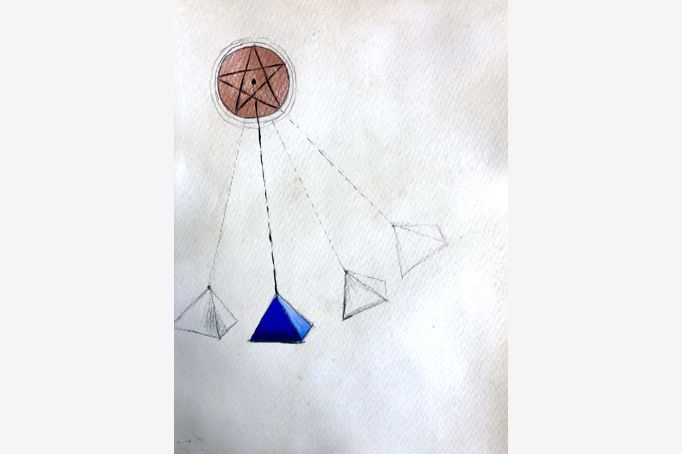
At-Home Art Activity Inspired by “Shahzia Sikander: Extraordinary Realities” May 20, 2022
Make your own art inspired by the work of Shahzia Sikander in the exhibition Extraordinary Realities.
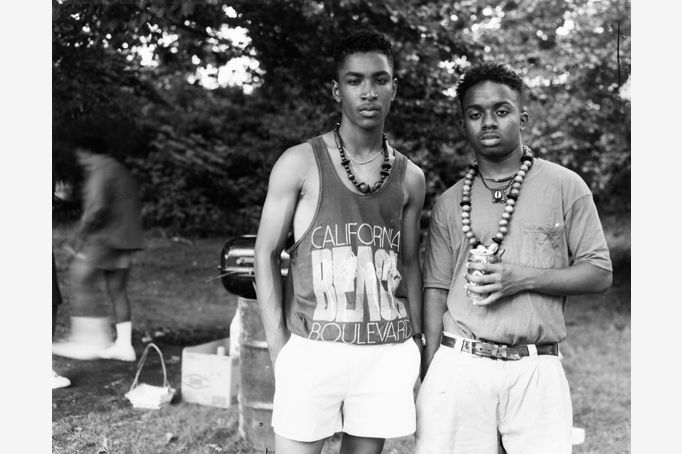
At-Home Art Activities Inspired by “Dawoud Bey: An American Project” May 6, 2022
Create your own works of art with these projects and inspiration from the photographs in the exhibition Dawoud Bey: An American Project.
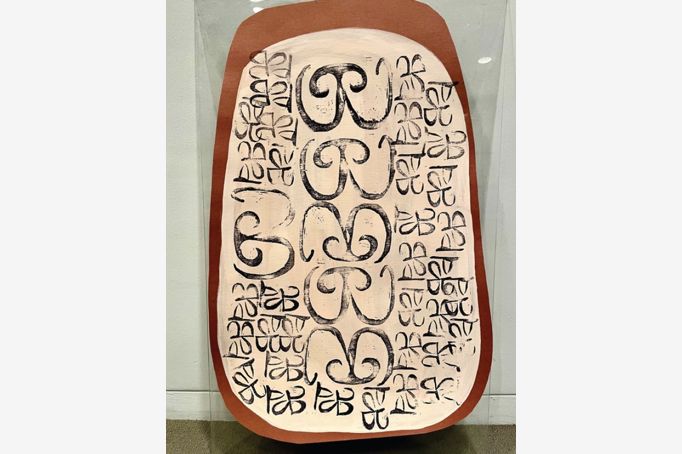
At-Home Activities Inspired by Art from the Indigenous Pacific Islands and Australia May 2, 2022
Create your own works of art with inspiration from the Indigenous Pacific Islands and Australia.