
“In Nature, every bit of life is lovely”: Roman Vishniac’s Photomicroscopy
Although it might come as a surprise to those who know Roman Vishniac as an important documentary photographer, he is every bit as famous a pioneer in an entirely different field: scientific photography.
A Lifelong Passion
Vishniac’s interest in the natural world began at an early age. When he turned 7, his birthday gifts were a camera and a microscope: tools he would use together for the rest of his life. Vishniac (1897–1990) began studying zoology and biology in Russia, conducting experiments with the technique of time-lapse photography under a microscope as early as 1918. Advancing the use of photography for both scientific exploration and communication was his primary passion for the last 45 years of his life.
Documenting Science & Society
After immigrating to the United States in 1940, Vishniac worked to establish himself as a freelancer in the scientific community while making his living as a portrait photographer. Before long, he became renowned for his innovations with polarized light and high magnification in photomicroscopy (photography made through the microscope) and microcinematography (film of live organisms in motion), and from the mid-1950s on, he was regularly commissioned by government agencies, scientists, and institutions to research biological specimens and visualize findings. His science photographs graced dozens of magazine covers and appeared in hundreds of articles for publications such as Life, OMNI, Nature, Science, and Popular Photography.
One Photographer, Two Legacies
If it seems challenging to reconcile both of Vishniac's photographic legacies—his documentary photographs of life in pre-Holocaust Eastern Europe and his scientific photomicroscopy—his own words may shed light on his lifelong passion for the natural world, particularly after the horrors he witnessed through the lens:
Nature, God or whatever you want to call the creator of the universe comes through the microscope clearly and strongly. Everything made by human hands looks terrible under magnification—crude rough and unsymmetrical. But in Nature, every bit of life is lovely.
See “Roman Vishniac Rediscovered” in the Beck Building through January 3 for free with general admission.
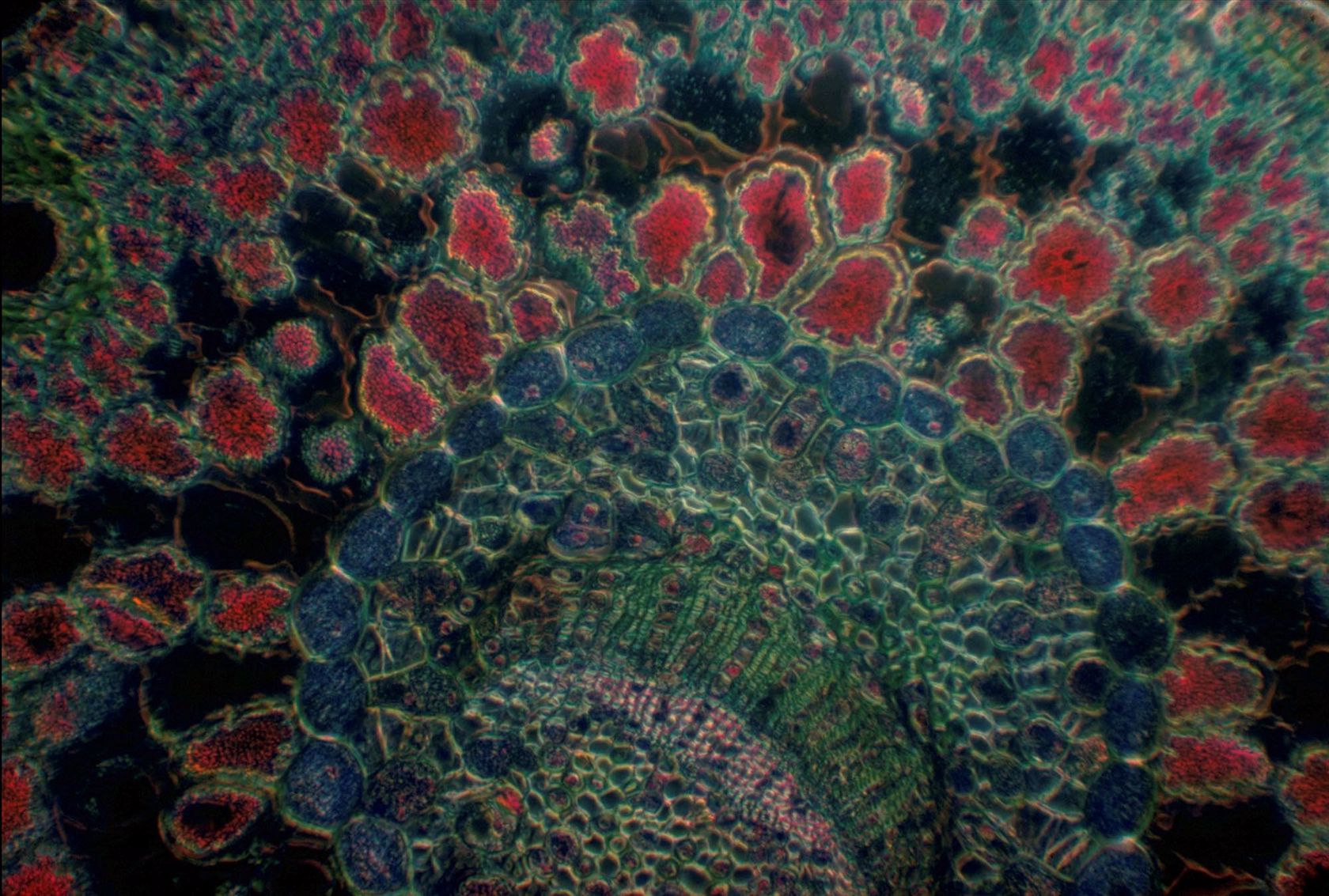
Roman Vishniac, Cross section of a pine needle, early 1950s–late 1970s, digital file from color transparency. © Mara Vishniac Kohn, courtesy International Center of Photography
![Roman Vishniac, [Cross section of skin from Roman Vishniac's thumb], early 1950s–1962, digital file from color transparency. © Mara Vishniac Kohn, courtesy International Center of Photography.](https://static.mfah.com/images/vishniac-cross-section-for-blog-post-only.17607950594700871031.jpg?width=1350)
Roman Vishniac, [Cross section of skin from Roman Vishniac's thumb], early 1950s–1962, digital file from color transparency. © Mara Vishniac Kohn, courtesy International Center of Photography.
Posts
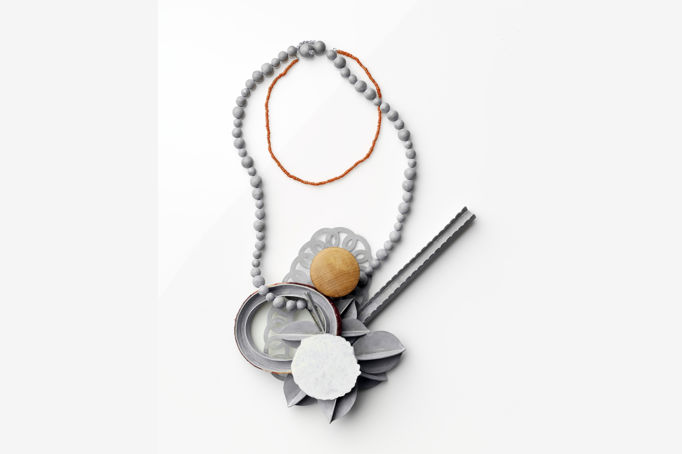
At-Home Art Activity “Exploring Materials and Creating & Modifying Beads” November 15, 2022
Create your own art while exploring a variety of materials and beads, with inspiration from works in the MFAH collections.
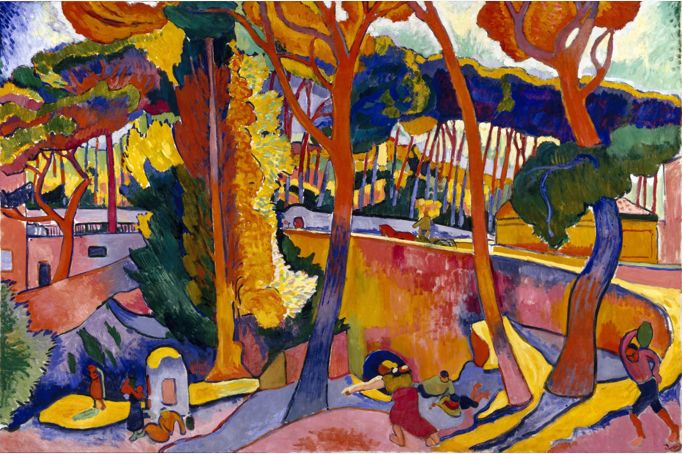
At-Home Art Activity “Exploring Fauvism and Creating Colorful Landscapes” October 10, 2022
Make your own art inspired by the Fauvist movement and André Derain’s The Turning Road, L’Estaque.
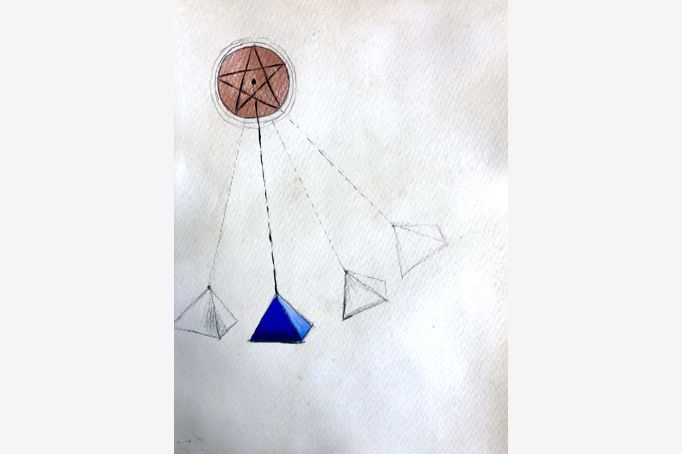
At-Home Art Activity Inspired by “Shahzia Sikander: Extraordinary Realities” May 20, 2022
Make your own art inspired by the work of Shahzia Sikander in the exhibition Extraordinary Realities.
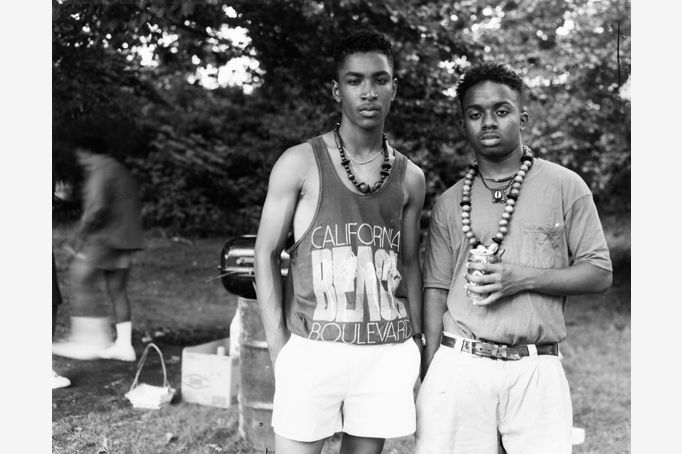
At-Home Art Activities Inspired by “Dawoud Bey: An American Project” May 6, 2022
Create your own works of art with these projects and inspiration from the photographs in the exhibition Dawoud Bey: An American Project.
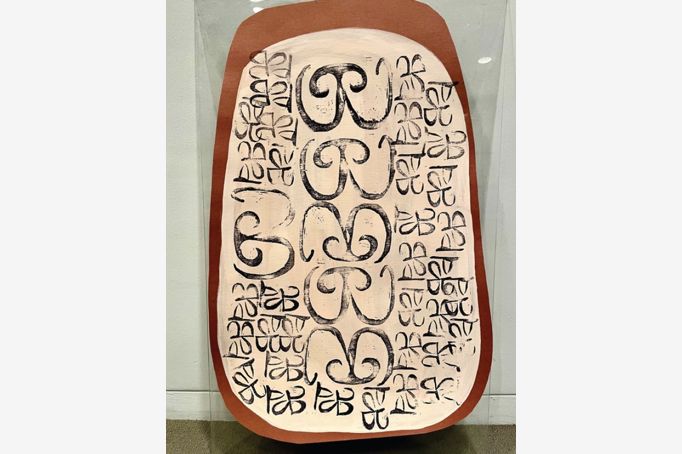
At-Home Activities Inspired by Art from the Indigenous Pacific Islands and Australia May 2, 2022
Create your own works of art with inspiration from the Indigenous Pacific Islands and Australia.