
Mysterious Symbols: Rienzi’s “Masonic Punch Bowl”
While Punch, the grinning, merry imp of sin,
Invites th’ unwary wand’rer to a kiss—
Smiles in his face, as tho he meant him bliss—
Then, like an alligator, drags him in!
—“To a Fly, Taken out of a Punch Bowl” by Peter Pindar, 1792
With mysterious symbols and a history that spans centuries and continents, this Masonic Punch Bowl tells many stories. What better time to take a look at this enigmatic object than now, as the annual Punch Party approaches on Friday, October 12?
An International Demand for Ceramics
During the age of exploration, Europe’s demand for functional yet beautiful objects propelled explorers to other parts of the world, including the Far East. By the 18th century, ships from England were making frequent trips to China. To appeal to this new international market, the Chinese began modeling containers in familiar European shapes. This bowl, for example, is designed to hold punch, with space for creative decorations.
A Craze for Punch
“Punch” comes from a Hindi word for the number five, reflecting the number of major ingredients: alcohol, sugar, citrus, spices, and water. Punch became a popular drink in England, and as Henry Fielding wrote in The Life of Mr Jonathan Wild the Great, “If we must drink, let us have a bowl of punch—a liquor I rather prefer, as it is nowhere spoken against in Scripture.”
Masonic Punch Bowl
Drinking punch was enjoyed by many, from the “tavern class” to aristocrats. The unique iconography of this punch bowl helps identify who commissioned it: a group of Freemasons. The bowl’s decorations include references to architecture, including tools such as compasses and set squares, as well as a combination of numbers that equal 15—the number of steps in King Solomon’s Temple. Scholars believe that this bowl was made for a masonic lodge, though the specific lodge is unknown. Research on the bowl is ongoing; one discovery notes that almost identical images appear in the 1741 book The Builder’s Jewel by Batty and Thomas Langley.

Punch Party at Rienzi
Rienzi’s annual Punch Party celebrates the historic drink! Guests enjoy a variety of punches made from period-appropriate recipes, as well as new cocktails created by Mongoose vs. Cobra. Join us on Friday, October 12, for an evening of merrymaking and viewing art—including the Masonic Punch Bowl, displayed in the Library. Learn more and get Punch Party tickets today.
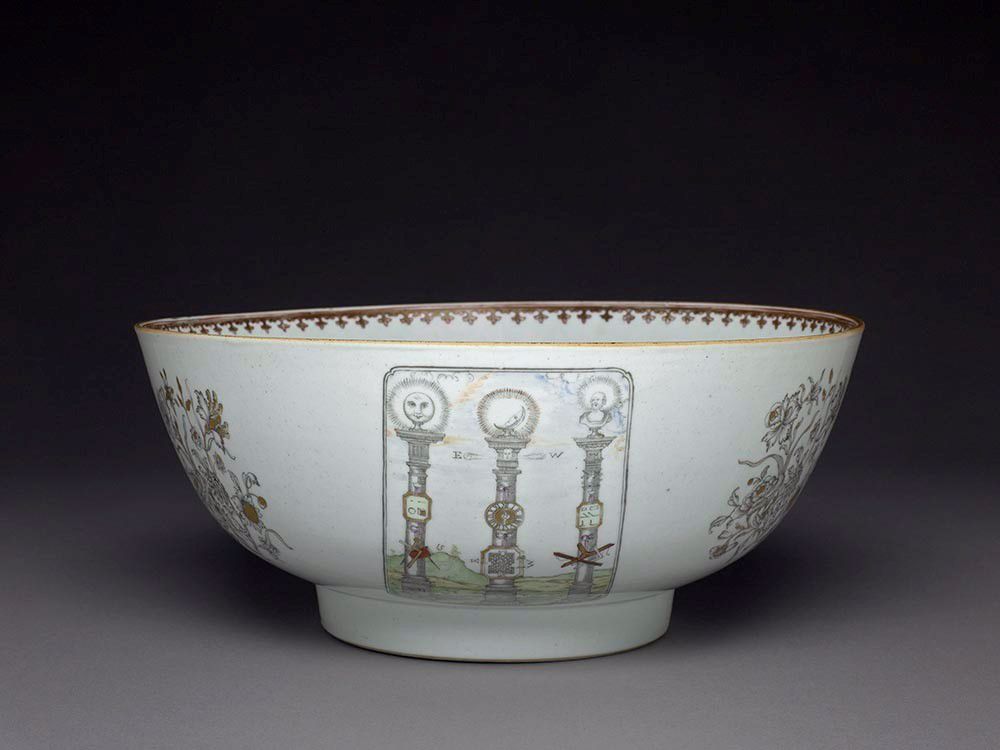
Chinese, Masonic Punch Bowl, c. 1750–70, hard-paste porcelain, the Museum of Fine Arts, Houston, the Rienzi Collection, gift of Mr. and Mrs. Harris Masterson III in honor of Mr. and Mrs. J. C. Hutcheson III.
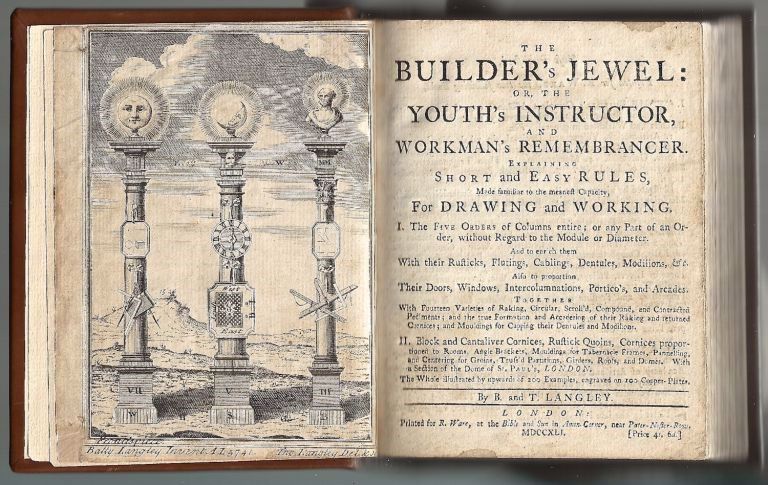
Masonic symbols almost identical to the ones on Rienzi’s punch bowl appear in the 1741 book The Builder’s Jewel by Batty and Thomas Langley.
Posts
At-Home Art Activity “Exploring Materials and Creating & Modifying Beads” November 15, 2022
Create your own art while exploring a variety of materials and beads, with inspiration from works in the MFAH collections.
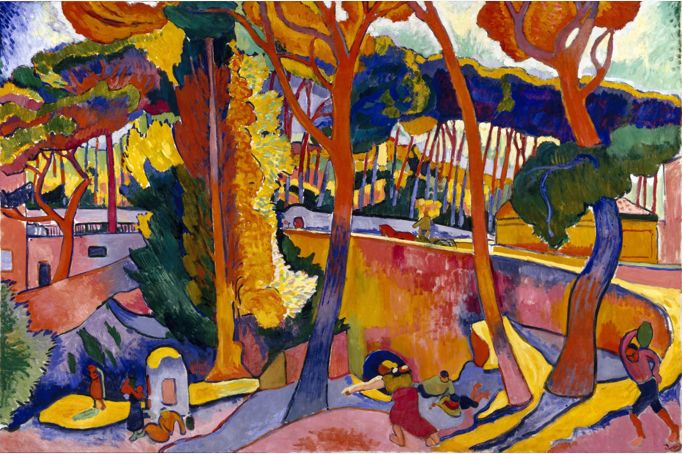
At-Home Art Activity “Exploring Fauvism and Creating Colorful Landscapes” October 10, 2022
Make your own art inspired by the Fauvist movement and André Derain’s The Turning Road, L’Estaque.
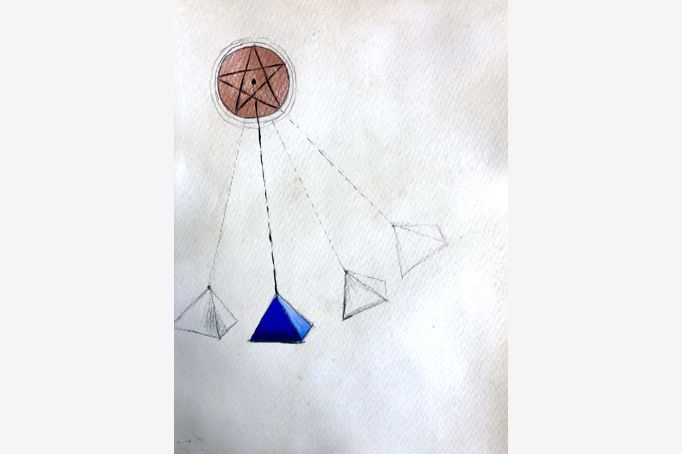
At-Home Art Activity Inspired by “Shahzia Sikander: Extraordinary Realities” May 20, 2022
Make your own art inspired by the work of Shahzia Sikander in the exhibition Extraordinary Realities.
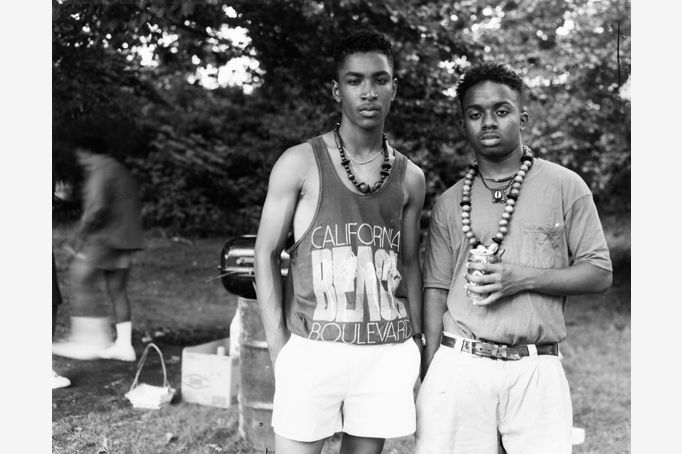
At-Home Art Activities Inspired by “Dawoud Bey: An American Project” May 6, 2022
Create your own works of art with these projects and inspiration from the photographs in the exhibition Dawoud Bey: An American Project.
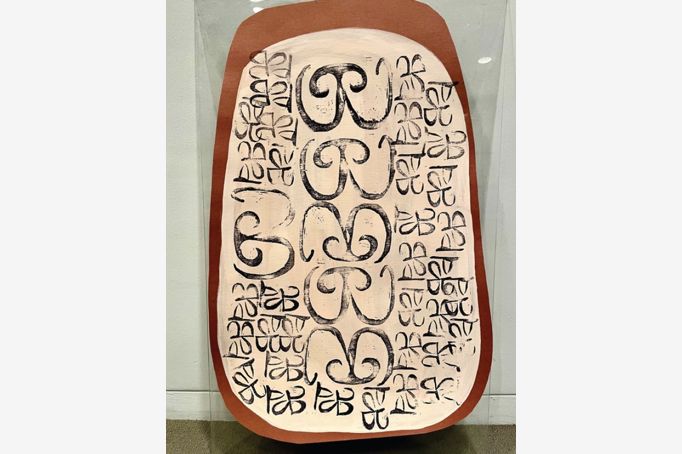
At-Home Activities Inspired by Art from the Indigenous Pacific Islands and Australia May 2, 2022
Create your own works of art with inspiration from the Indigenous Pacific Islands and Australia.