
Hispanic Heritage Month Spotlight: A Rare Sampler from the Bayou Bend Collection
Hispanic Heritage Month—observed from September 15 to October 15—is an annual celebration of Hispanic and Latino contributions to our shared history and culture. Remi Dyll, collection manager at Bayou Bend, looks at an object in the Bayou Bend Collection that offers a wonderful example of material culture from 19th-century Spanish settlers in New Mexico.
The tradition of samplers—textile works typically made of fine cloth, and embroidered by girls and women—began more than 400 years ago. At first, samplers were patterns for women to practice on, but by the 1600s, the primary purpose became embroidery exercises done by schoolgirls. The needleworker would sew a variety of stitches, motifs, letters, verses, and often her name.
Samplers in Spain
Samplers have been used in many cultures as a way to display patterns and stitch techniques, but it was in Europe where they first developed as an educational and decorative exercise. Band samplers—narrow, long samplers that allow for plenty of room to practice—survived into the 1700s and 1800s, notably in Spain and its colonies. The Spanish words for sampler are dechado or muestra de bordado.
Bringing the Tradition to New Mexico
Inhabited by Native Americans for thousands of years before European exploration, the land that is now the U.S. state of New Mexico was colonized by the Spanish in 1598 and dubbed Nuevo México. Following Mexico’s independence from Spain in 1824, New Mexico became a Mexican territory with considerable autonomy, though of course Spanish influence—including the popularity of teaching women and girls to create samplers—remained.
A Rare Sampler at Bayou Bend
Antonio José Villaescusa Fernandez, born in Alpera, Spain, settled in New Mexico and married a woman named Maria Luisa de los Dolores Maese. They had at least four children. A daughter, Maria Del Carmen Fernandez, was born in 1819 in Taos, New Mexico. As a student, the young girl worked this simple, long band sampler with the help of her teacher, Lady Maria Antonia de Aceta. In silk, Fernandez carefully cross-stitched her name, as well as her instructor’s, below the rows of the alphabet. She did not include a date, but most samplers were created when girls were 11 or 12, so this sampler was likely made about 1830.
A Matter of Letters
Interestingly, Fernandez seems to have initially forgotten to include the letter E in the alphabet letters, as it is stitched as the last line of letters! A few other letters are completely missing, including W, which was not yet part of the Spanish alphabet, and U, which was represented by the letter V. Below her signature, she stitched a phrase that roughly translates to “Long live the pure hearts of Jesus [and] Mary.”
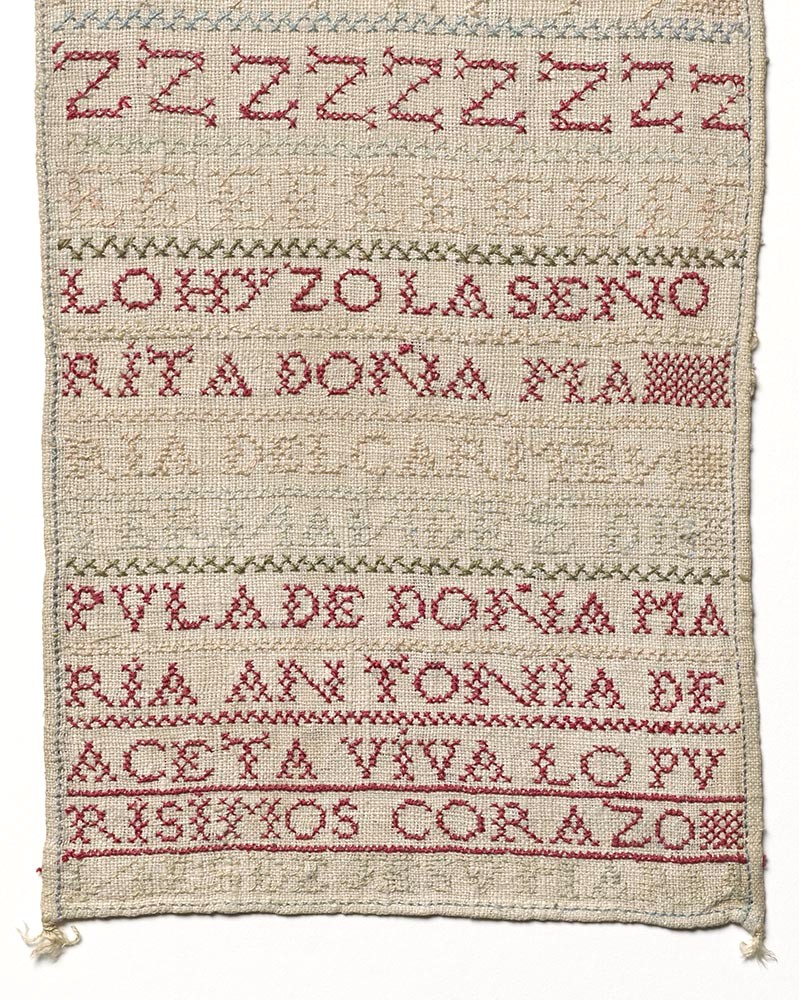
Mexico has a long tradition of sampler-making, but this example is the only one known to come from the territory of Nuevo México—an important, and rare, reminder of the United States’ multicultural past.
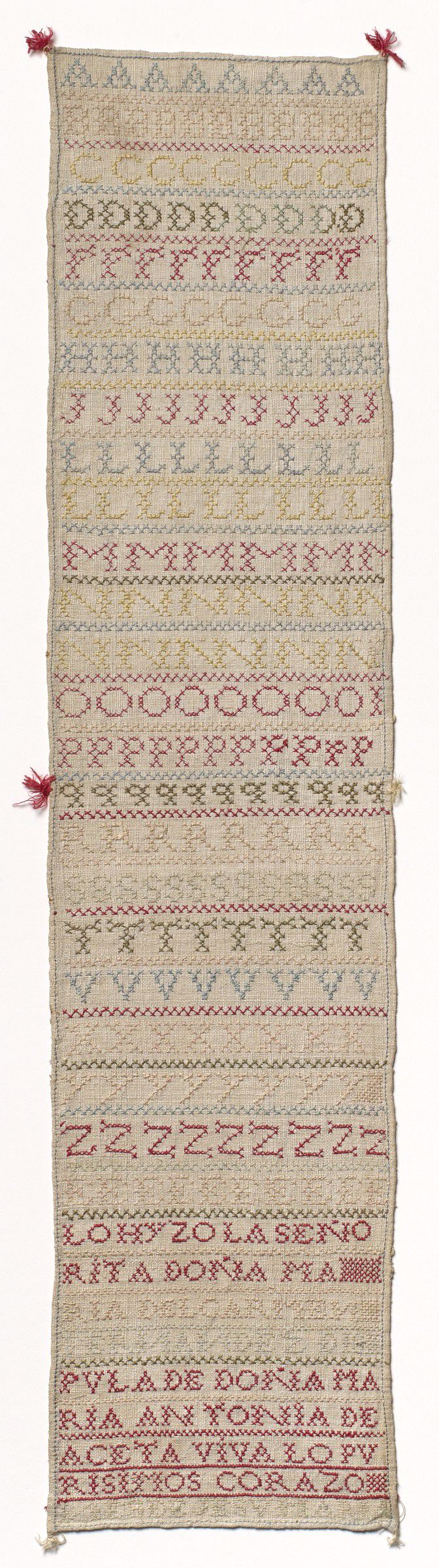
Maria Del Carmen Fernandez, Sampler, c. 1830, silk on linen, the Museum of Fine Arts, Houston, the Bayou Bend Collection, Museum purchase funded by William J. Hill.
![The inscription at the bottom of Maria Del Carmen Fernandez’s sampler reads: LO HYZO LA SEÑORITA DOÑA MARIA DEL CARMEN FERNANDEZ DISPVLA DE DOÑA MARIA ANTONIA DE ACETA VIVA LO PVRISIMOS CORAZONES DE JESV MARIA (Made by Miss Maria Del Carmen Fernandez / Student of Mrs. Maria Antonia de Aceta / Long live the pure hearts of Jesus [and] Mary)](https://static.mfah.com/images/for-bayou-bend-blog-post-only---fernandez-sampler-detail-caption.18391408957391509831.jpg?width=1079)
The inscription at the bottom of Maria Del Carmen Fernandez’s sampler reads:
LO HYZO LA SEÑORITA DOÑA MARIA DEL CARMEN FERNANDEZ
DISPVLA DE DOÑA MARIA ANTONIA DE ACETA
VIVA LO PVRISIMOS CORAZONES DE JESV MARIA
(Made by Miss Maria Del Carmen Fernandez / Student of Mrs. Maria Antonia de Aceta / Long live the pure hearts of Jesus [and] Mary)
Posts
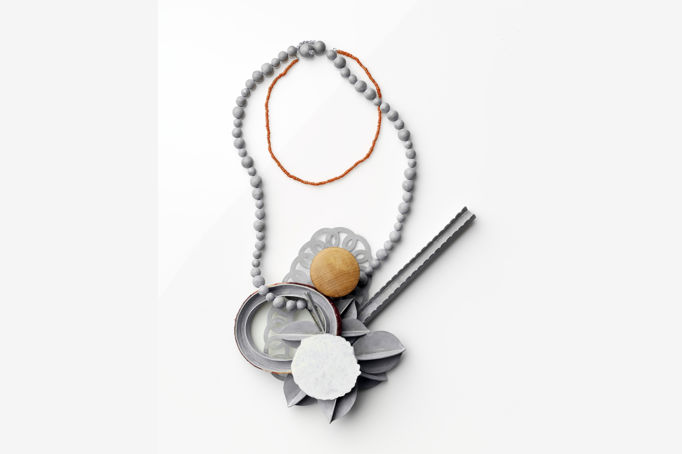
At-Home Art Activity “Exploring Materials and Creating & Modifying Beads” November 15, 2022
Create your own art while exploring a variety of materials and beads, with inspiration from works in the MFAH collections.
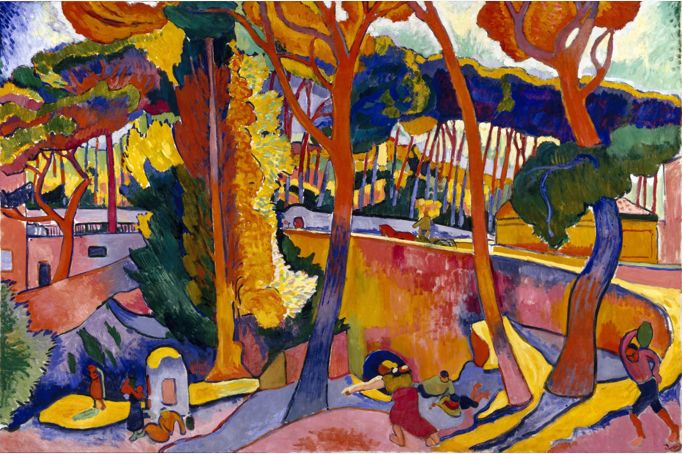
At-Home Art Activity “Exploring Fauvism and Creating Colorful Landscapes” October 10, 2022
Make your own art inspired by the Fauvist movement and André Derain’s The Turning Road, L’Estaque.
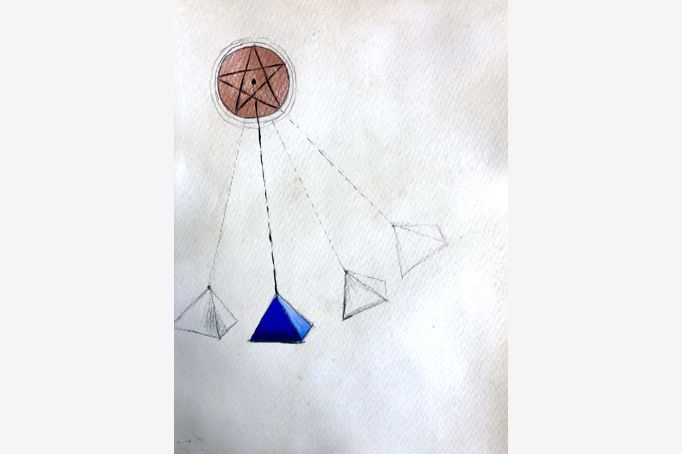
At-Home Art Activity Inspired by “Shahzia Sikander: Extraordinary Realities” May 20, 2022
Make your own art inspired by the work of Shahzia Sikander in the exhibition Extraordinary Realities.
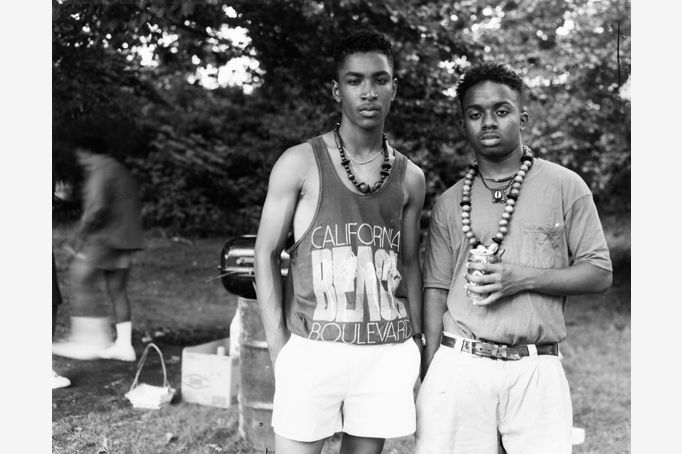
At-Home Art Activities Inspired by “Dawoud Bey: An American Project” May 6, 2022
Create your own works of art with these projects and inspiration from the photographs in the exhibition Dawoud Bey: An American Project.
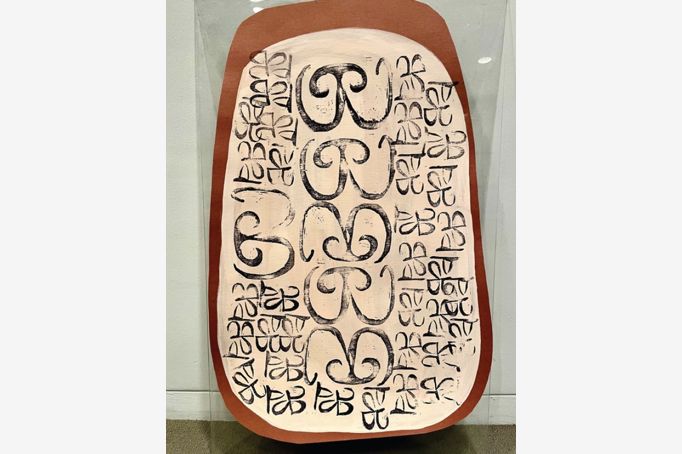
At-Home Activities Inspired by Art from the Indigenous Pacific Islands and Australia May 2, 2022
Create your own works of art with inspiration from the Indigenous Pacific Islands and Australia.