
Happy Halloween! Spooky Art Lurks in the Galleries
The Halloween spirit lurks in the MFAH galleries at every turn. Keep an eye out for dancing witches, scary skeletons, and creepy symbols—if you dare.
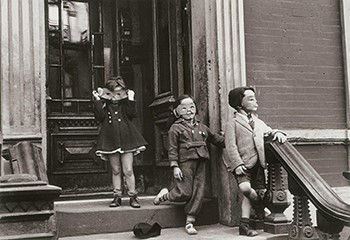
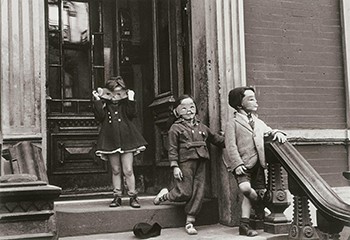
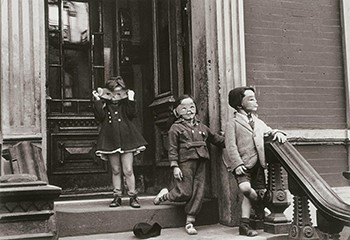
Helen Levitt, New York, 1939
Location: Beck Building, 1st floor
• Photographer Helen Levitt roamed the streets of New York, capturing unguarded moments of children at play—including this Halloween-ready masked trio, on loan for the special exhibition Helen Levitt: In the Street.
Moche, Skull Vessel, 100–800 AD (above)
Location: Law Building, 2nd floor
• This Pre-Columbian skull vessel may represent the power of a trophy head in the Moche culture of Peru.
Egyptian, Mummy of a Child, 30 BC–150 AD
Location: Beck Building, 2nd floor
• Ancient Egyptians believed in life after death, so they created an elaborate process to preserve the body: mummification. Beneath these colorfully painted mummy wrappings are amulets, jewelry, and real skeleton bones.
Salvator Rosa, The Witches’ Sabbath, c. 1640–49
Location: Beck Building, 2nd floor
• Scenes of witchcraft were popular subjects in Europe during the 16th and 17th centuries. As art critic Jonathan Jones wrote, “Salvator Rosa made darkness visible. He gave physical form to the shadows of the night.”
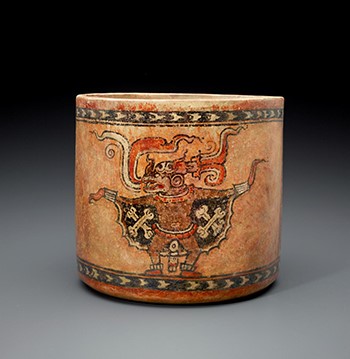
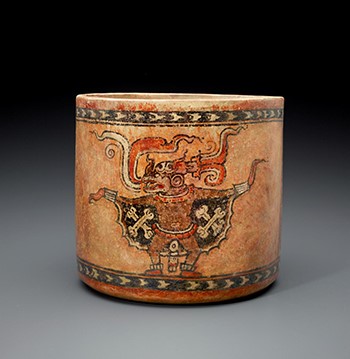
Maya, Vessel with Bat Deity, 600–900 AD
Location: Law Building, 2nd floor
• The Vampire Bat deity, messenger for the Death Gods of the Underworld, spreads his ominous wings. His name in Maya means “Killer Bat,” and the crossed bones on his wings symbolize his connection with death. Apt associations, as vampire bats drink blood and live in caves that the Maya believed were entrances to the watery Underworld.
Javanese, Burial Mask, 5th century or earlier
Location: Law Building, 2nd floor
• The jagged facial features of this rare and fragile burial mask contrast in texture with the smoothness of the “skin.” Re-creating the fine hairs of the eyelashes and eyebrows with delicate incisions, the strong, clean lines convey a timeless image, perhaps of an ancient ancestor.
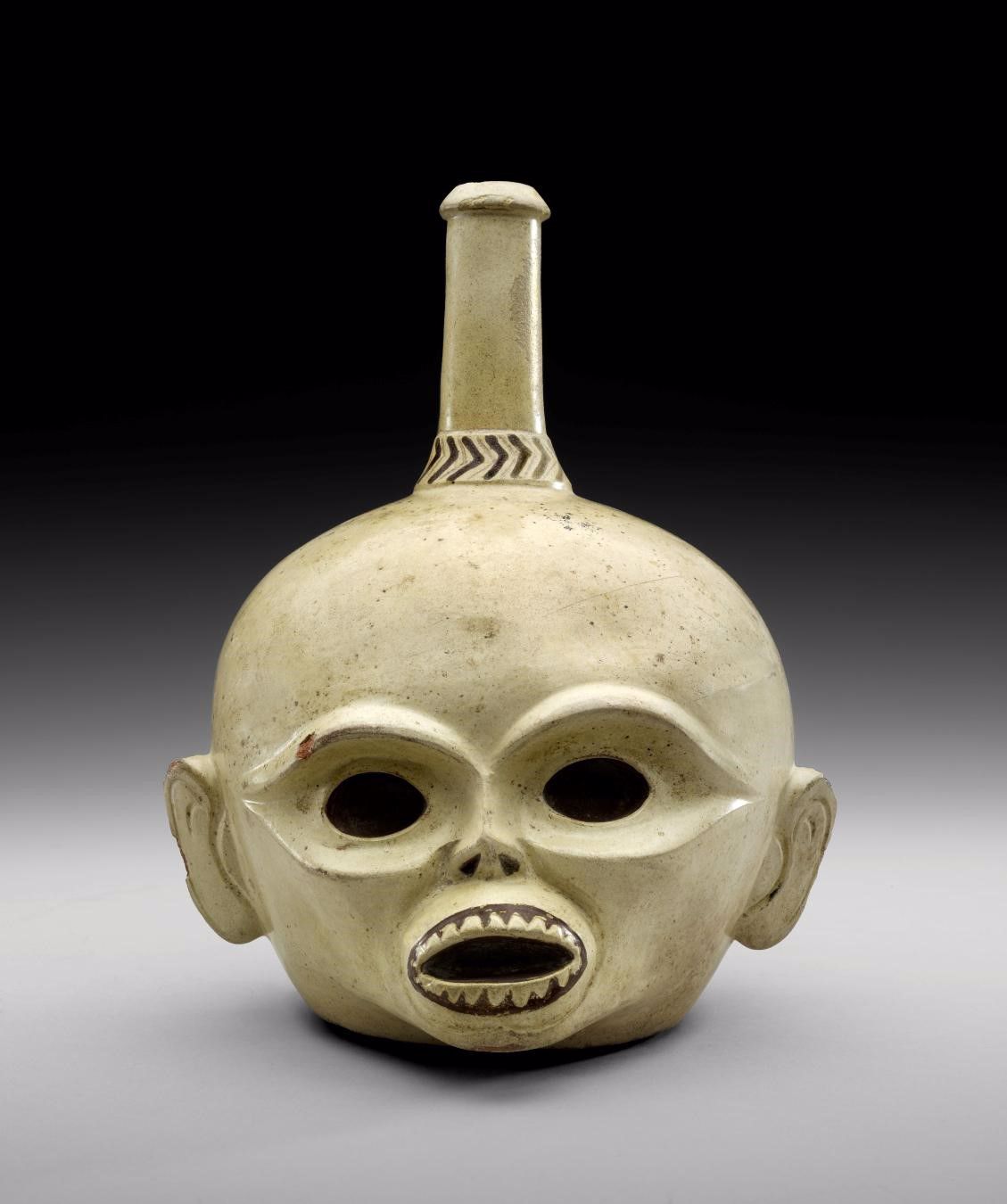
Moche, Skull Vessel, 100–800 AD, earthenware with slip, the Museum of Fine Arts, Houston, Museum purchase funded by The Brown Foundation, Inc.
Posts
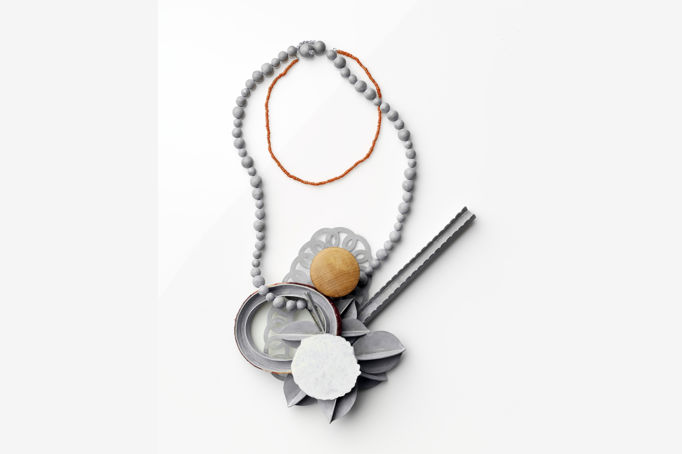
At-Home Art Activity “Exploring Materials and Creating & Modifying Beads” November 15, 2022
Create your own art while exploring a variety of materials and beads, with inspiration from works in the MFAH collections.
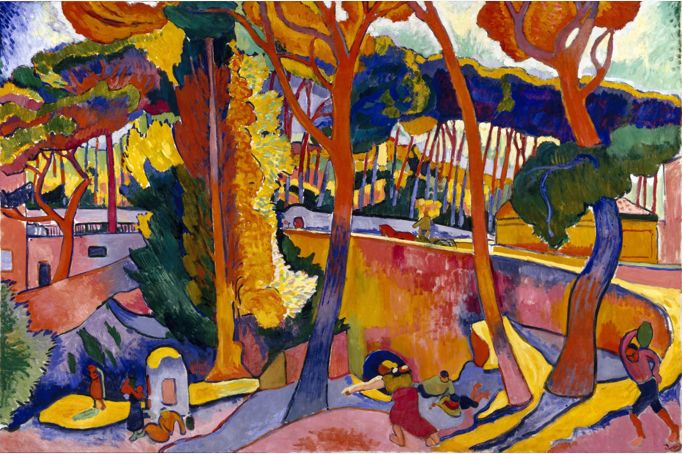
At-Home Art Activity “Exploring Fauvism and Creating Colorful Landscapes” October 10, 2022
Make your own art inspired by the Fauvist movement and André Derain’s The Turning Road, L’Estaque.
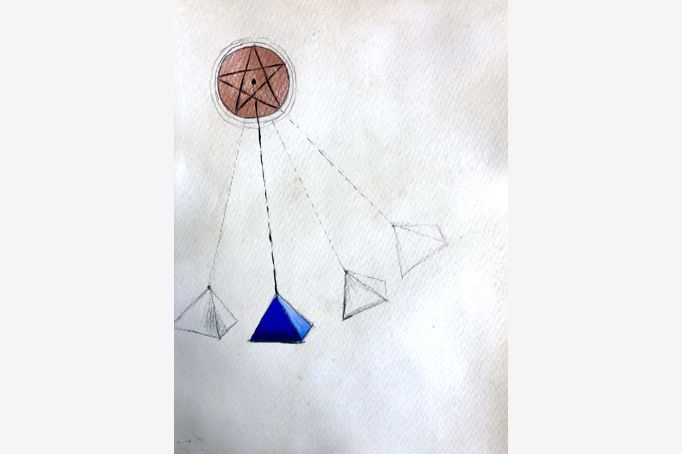
At-Home Art Activity Inspired by “Shahzia Sikander: Extraordinary Realities” May 20, 2022
Make your own art inspired by the work of Shahzia Sikander in the exhibition Extraordinary Realities.
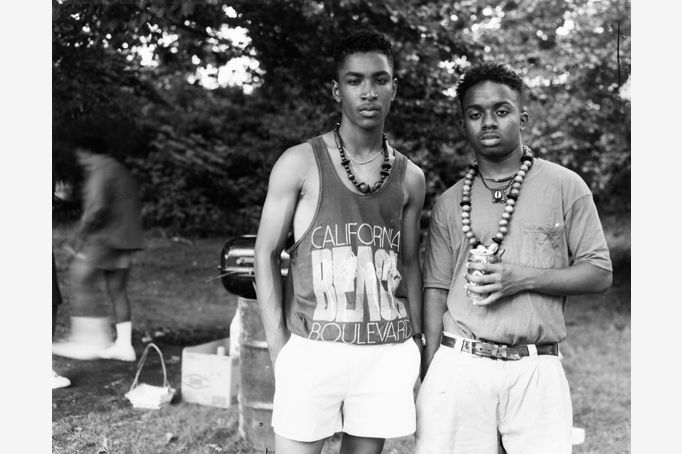
At-Home Art Activities Inspired by “Dawoud Bey: An American Project” May 6, 2022
Create your own works of art with these projects and inspiration from the photographs in the exhibition Dawoud Bey: An American Project.
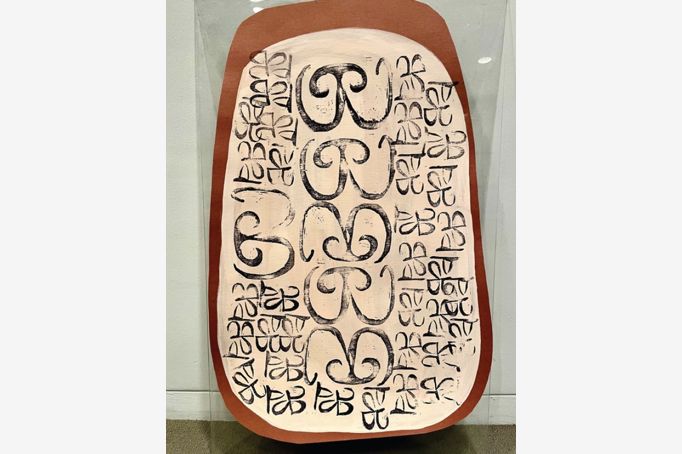
At-Home Activities Inspired by Art from the Indigenous Pacific Islands and Australia May 2, 2022
Create your own works of art with inspiration from the Indigenous Pacific Islands and Australia.