
Dancing with Degas
Edgar Degas was the first artist to specialize in depictions of the ballet, and he returned to the subject of dancers throughout his career. He portrayed the reality of backstage in vibrant pastel studies, complex paintings, bronze sculptures, and sketches of split-second moments of a dancer’s motion.
The many ballerinas on view in Degas: A New Vision got some like company recently, as Houston Ballet Academy students visited the galleries for a special event (see below photo). I chatted with two of the students, Helena Oseguera and Divya Rea, about how it felt to be a dancer among Degas—and how his work is still meaningful today.
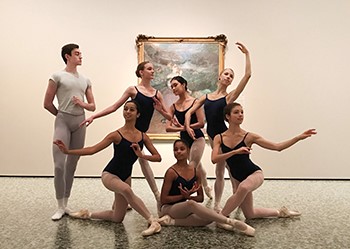
Many of Edgar Degas’s ballerina paintings show classes and life backstage, instead of glamorous ballets. As a dancer, do you relate to these paintings more than other people might?
Divya Rea That is one of the things that make Degas’s work so special. In ballet, the public gets to see only the finished project. So much work goes into those few minutes onstage that only the dancers see. As a dancer, I do relate to Degas’s paintings, but everyone can relate to these works. Degas paints the ballerinas in a human way: tired, resting, rehearsing.
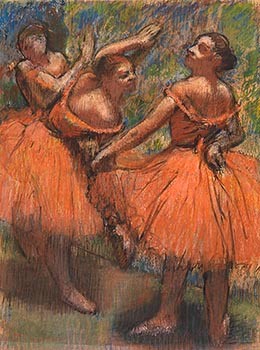
Fig. 1, Edgar Degas, Rehearsal Hall at the Opera, Rue Le Peletier, 1872
How do Degas’s paintings compare to your rehearsal experiences?
Helena Oseguera Degas’s paintings are very similar! For example, the paintings with the teachers and pianists in the room are what our rehearsals actually look like.
DR They are pretty accurate, but of course, dance has changed over time. One thing that has definitely different is that we use stereos for music in our rehearsals, not violinists!
When you were in the Degas: A New Vision galleries re-creating poses in the ballerina paintings, it seemed like some of the moves were trickier than they look! How did ballerinas in Degas’s day dance and pose differently than you do today?
HO Arm movements and positions used to be a lot daintier and more contained. Ballet is now more of a sport that pushes boundaries. In the 1860s and 1870s, it was all about elegance and femininity, but nowadays we want choreography that will engage and wow the audience.
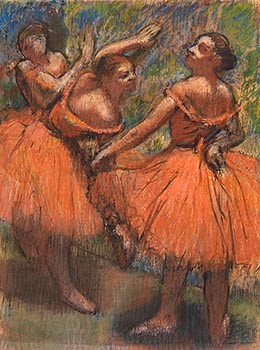
Fig. 2, Edgar Degas, Group of Dancers (Red Skirts), c. 1895–1900
Many of Degas’s ballerinas are wearing beautiful, bright skirts—some even neon-colored. How do his dancers’ costumes compare to what you wear today?
DR The ballerinas in Degas’s work are wearing romantic tutus and colorful ribbons, but we wear very different attire to rehearsal. For ballet class, I wear a simple leotard and pink tights.
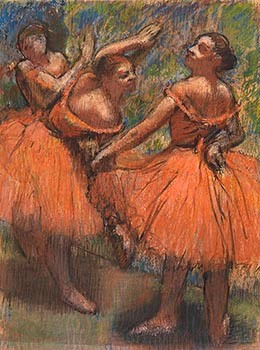
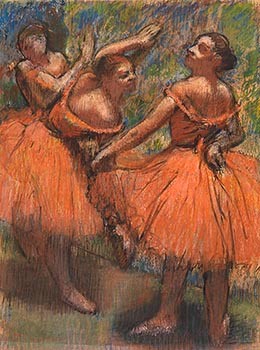
Fig. 3, Edgar Degas, Dancers, Pink and Green, c. 1890. Fig. 4, Edgar Degas, Dancer in Leotard, c. 1896
Do you have a favorite work in the exhibition?
HO Yes, the painting with ballerinas waiting to go on stage and perform. It looks like they are fixing their costumes and hair, just moments before they go on stage. I like this one so much because it is so accurate!
DR My favorites are Degas’s sketches. I love seeing the process that Degas went through to make his paintings. His sketches remind me that even one of the greatest artists of all time didn’t sit down one day and paint a masterpiece. It took years of practice and preparation before he even started to paint. Likewise, it takes years of preparation and practice to become a ballerina. Degas’s sketches inspire me to continue working on my craft so that one day, I, too, may make a masterpiece.
Discover your own inspiration in “Degas: A New Vision,” on view in the Law Building through January 16.
Images: Fig. 1. Edgar Degas, Rehearsal Hall at the Opera, Rue Le Peletier, 1872, oil on canvas, Musée d’Orsay, Paris. © RMN-Grand Palais (Musée d’Orsay) / Hervé Lewandowski. Fig. 2. Edgar Degas, Group of Dancers (Red Skirts), c. 1895–1900, pastel, the Burrell Collection, Glasgow. © CSG CIC Glasgow Museums and Libraries Collections. Fig. 3. Edgar Degas, Dancers, Pink and Green, c. 1890, oil on canvas, The Metropolitan Museum of Art, New York, H. O. Havemeyer Collection, Bequest of Mrs. H. O. Havemeyer, 1929, 29.100.42. Image © The Metropolitan Museum of Art, Image source: Art Resource, NY. Fig. 4. Edgar Degas, Dancer in Leotard, c. 1896, pastel on vellum finish paper, laid on cardboard, Musée d’Orsay, Paris. © RMN-Grand Palais (Musée d’Orsay) / Patrice Schmidt
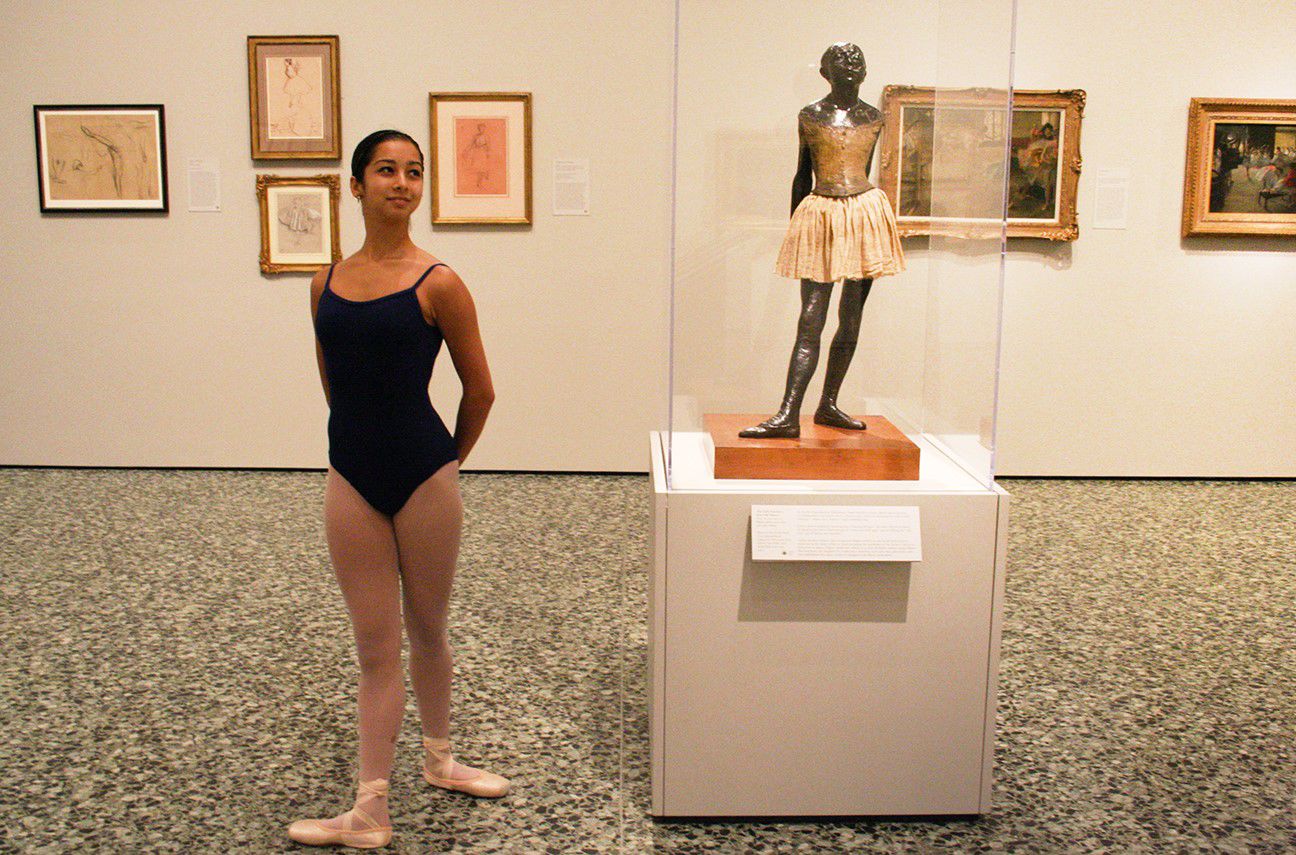
Divya Rea and The little fourteen-year-old dancer in the galleries of Degas: A New Vision
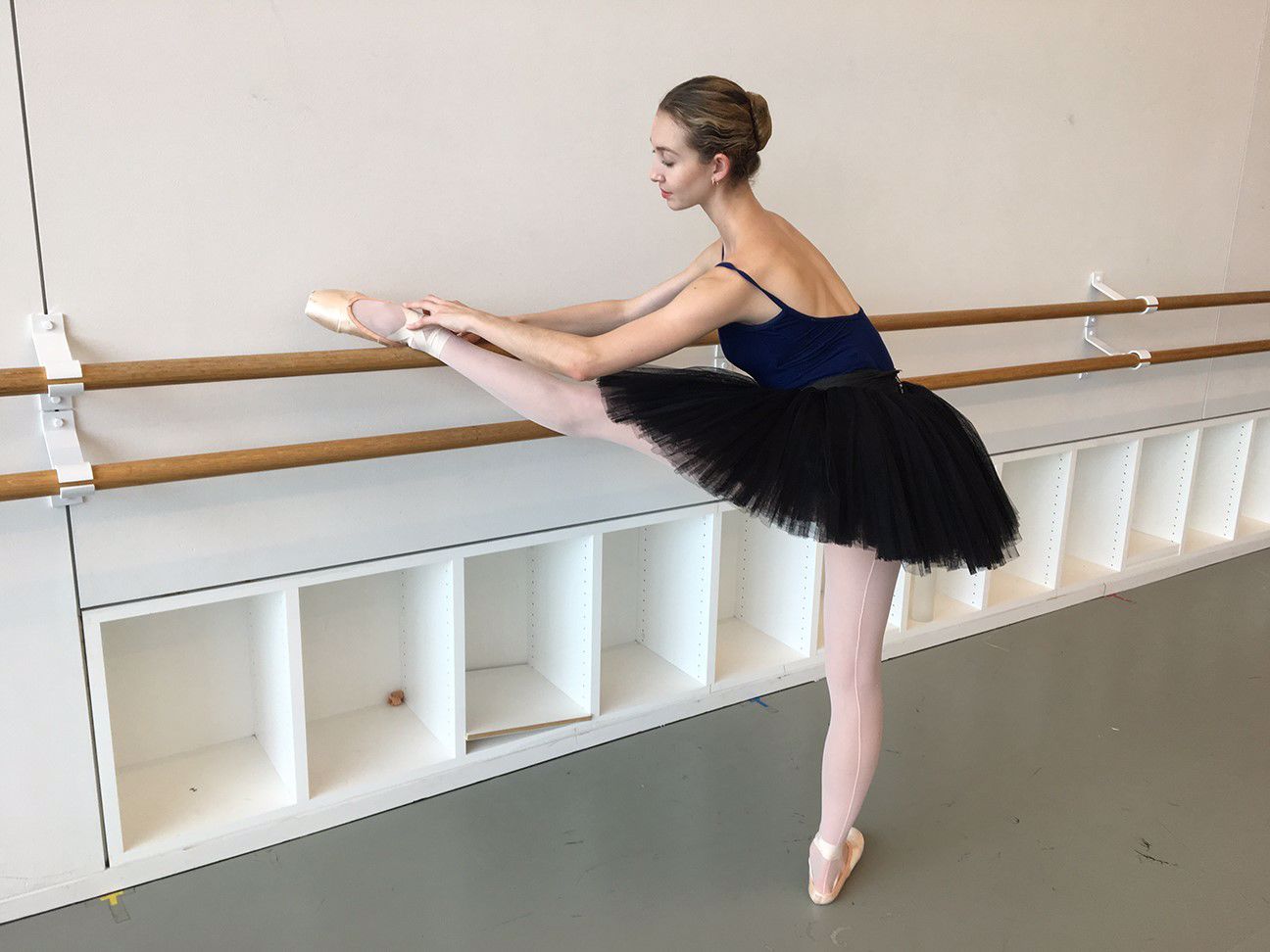
Helena Oseguera at the barre
Posts
At-Home Art Activity “Exploring Materials and Creating & Modifying Beads” November 15, 2022
Create your own art while exploring a variety of materials and beads, with inspiration from works in the MFAH collections.
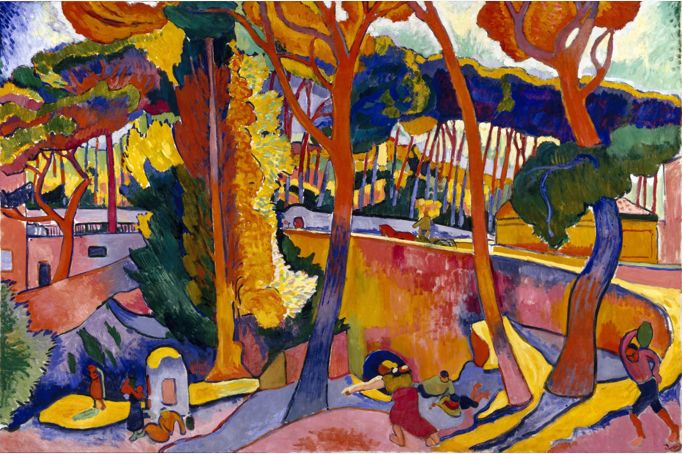
At-Home Art Activity “Exploring Fauvism and Creating Colorful Landscapes” October 10, 2022
Make your own art inspired by the Fauvist movement and André Derain’s The Turning Road, L’Estaque.
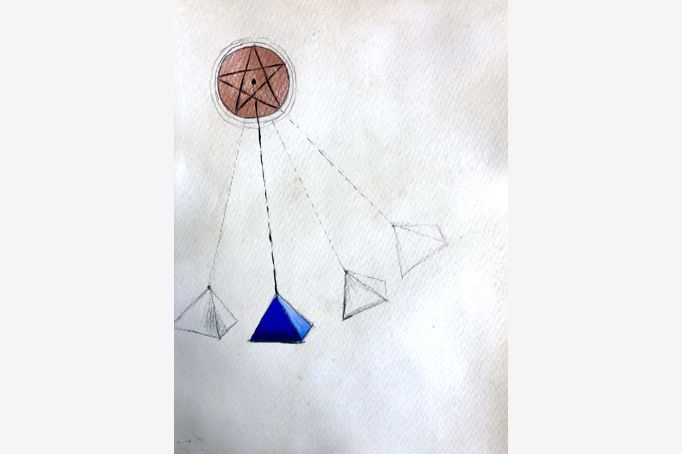
At-Home Art Activity Inspired by “Shahzia Sikander: Extraordinary Realities” May 20, 2022
Make your own art inspired by the work of Shahzia Sikander in the exhibition Extraordinary Realities.
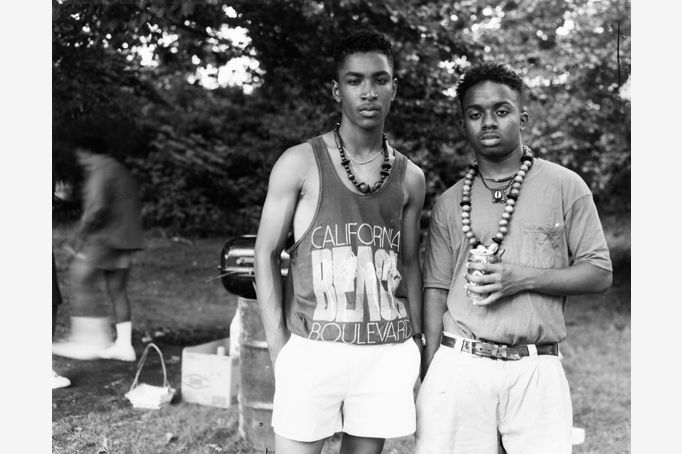
At-Home Art Activities Inspired by “Dawoud Bey: An American Project” May 6, 2022
Create your own works of art with these projects and inspiration from the photographs in the exhibition Dawoud Bey: An American Project.
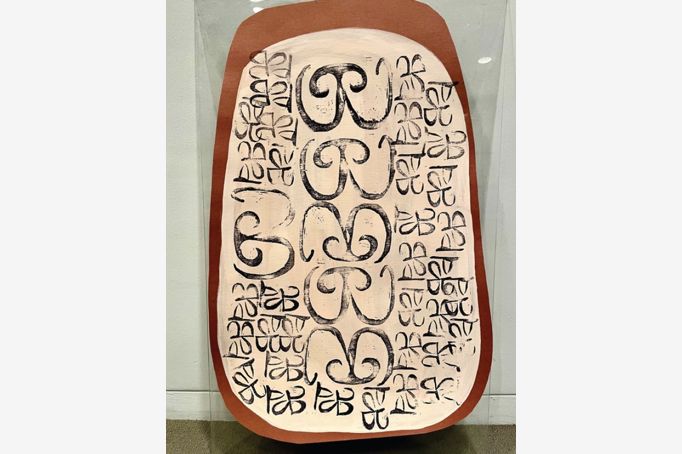
At-Home Activities Inspired by Art from the Indigenous Pacific Islands and Australia May 2, 2022
Create your own works of art with inspiration from the Indigenous Pacific Islands and Australia.