
Connections: The Islamic Carpet in Persia and Great Britain
When you visit the MFAH this fall and winter, look closely and you’ll spot a cross-cultural connection between two exhibitions. Garden Paradise: The Magnificent Safavid Carpet from the Burrell Collection, Glasgow showcases a masterpiece of Persian carpet weaving alongside other works from the Islamic world—and you’ll also find many examples of Islamic carpets in paintings of British royals in Tudors to Windsors: British Royal Portraits from Holbein to Warhol.
A History of Status
Whether in the Islamic lands or in Europe, an expensive textile underfoot has long been a sign of wealth, power, and sanctity. As early as the 14th century, Italian artists began including Islamic carpets in religious paintings, giving the textiles a place of the highest honor under the foot of the Virgin Mary or draped over an altar. By the end of the 16th century, Islamic carpets—particularly those woven in Anatolia (modern-day Turkey)—were commonly seen in Northern European portraits, genre scenes, and still lifes, reflecting the wealth and social status of their owners.
These appearances are so frequent that scholars have named Anatolian carpet designs after the European artists who depicted them; in one portrait on display in Tudors to Windsors, Henry, Prince of Wales, stands proudly on a “Lotto” carpet, so called because Italian artist Lorenzo Lotto (1480–1557) had depicted carpets of this design in his paintings.
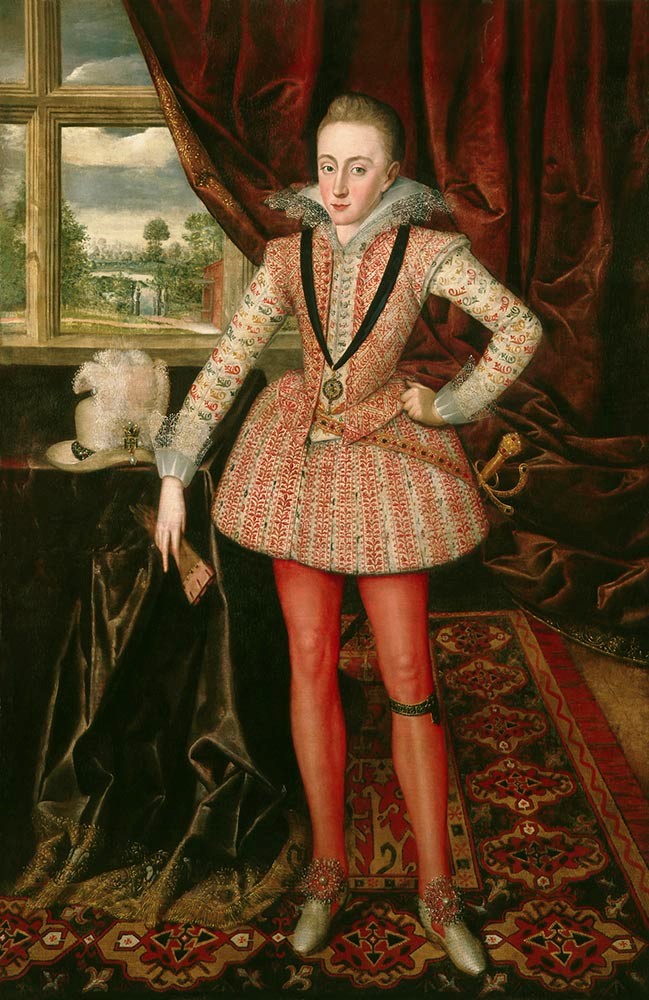
Robert Peake the Elder, Henry, Prince of Wales, c. 1610
Into the 20th & 21st Centuries
By the 17th century, European paintings reflect increasing trade between the Islamic world and Europe that brought large numbers of carpets from Anatolia, Persia, and India. The fashion for decorating royal and aristocratic homes with Islamic carpets continued into the 20th and 21st centuries, as evidenced by a large Persian carpet in Conversation Piece at the Royal Lodge, Windsor, also on view in Tudors to Windsors.
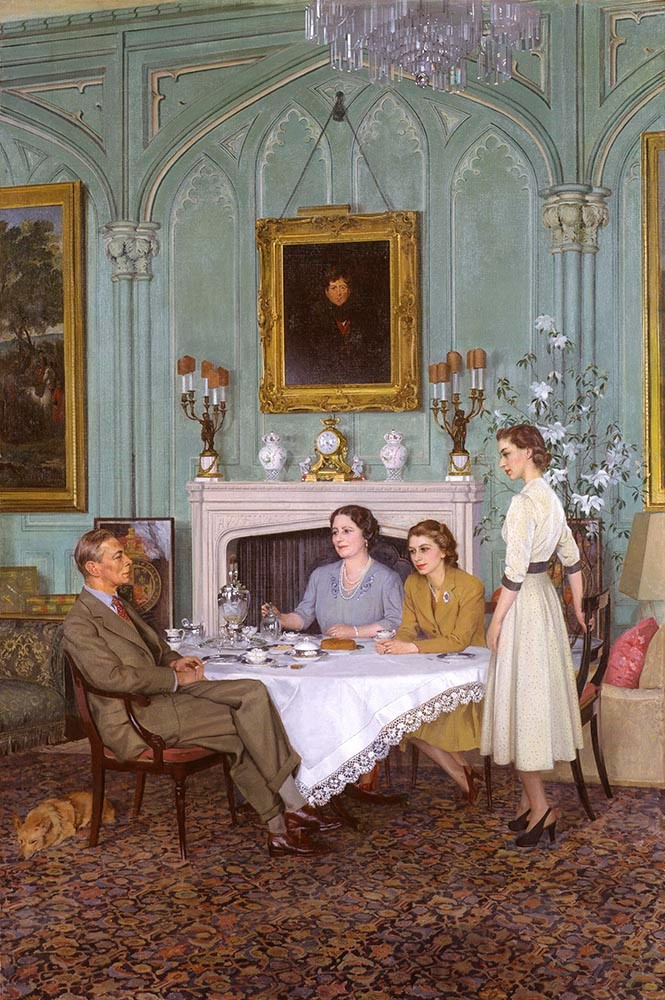
Sir James Gunn, Conversation Piece at the Royal Lodge, Windsor, 1950
A Global Journey for the Wagner Garden Carpet
Visitors can experience the royal splendor of a court-quality Persian carpet in Garden Paradise. The Wagner Garden Carpet was probably intended for a courtly setting in Safavid-era (1502–1722) Persia, and not made for export. Like the many carpets depicted in Tudors to Windsors, the Wagner Garden Carpet did eventually make its way to Great Britain and to the collection of Sir William Burrell, who displayed it at Hutton Castle in the town of Berwick-upon-Tweed, Northumberland. Now, for a limited time, the carpet holds a new place of honor at the Museum of Fine Arts, Houston.
See more in both exhibitions this fall and winter! “Tudors to Windsors: British Royal Portraits from Holbein to Warhol” is on view in the Law Building through January 27. “Garden Paradise: The Magnificent Safavid Carpet from the Burrell Collection, Glasgow” is on view in the Beck Building through February 10.
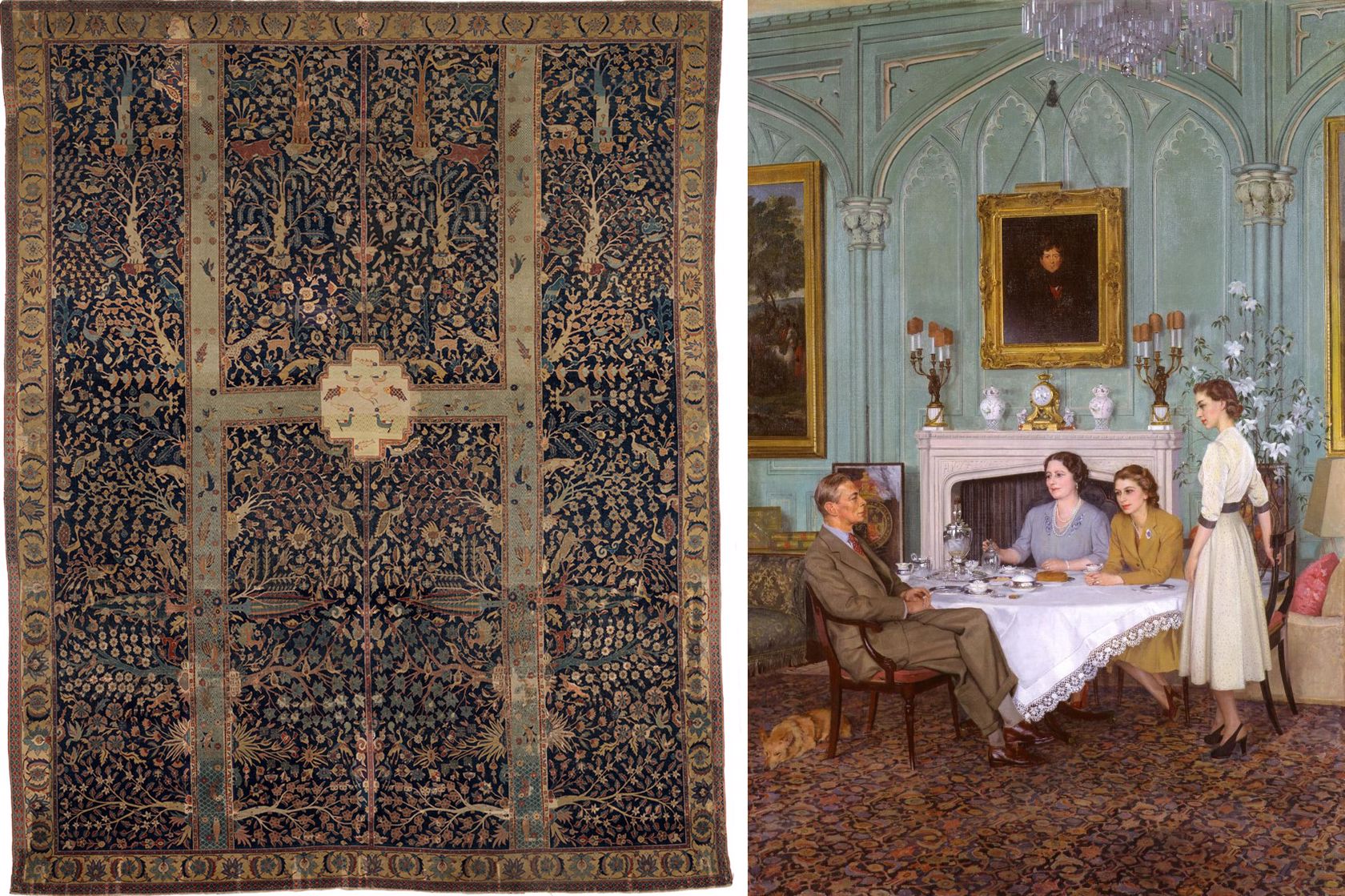
left to right: Wagner Garden Carpet, central Iran, early 17th century, cotton warp; wool, cotton, and silk wefts; and wool pile, the Burrell Collection, Glasgow | Sir James Gunn, Conversation Piece at the Royal Lodge, Windsor, 1950, oil on canvas, National Portrait Gallery, London © National Portrait Gallery, London
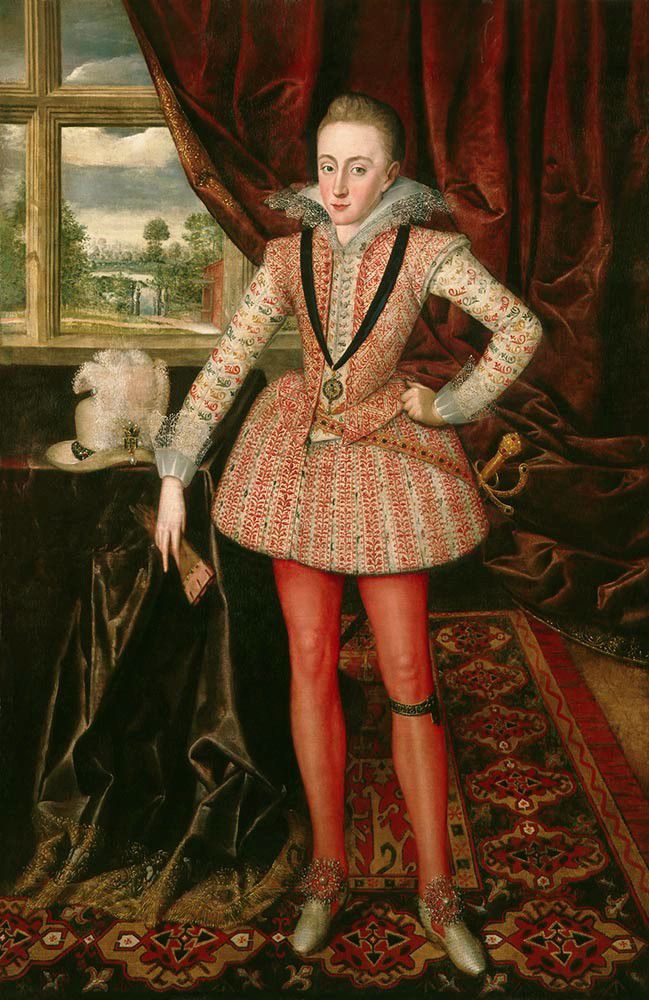
Robert Peake the Elder, Henry, Prince of Wales, c. 1610, oil on canvas, National Portrait Gallery, London.
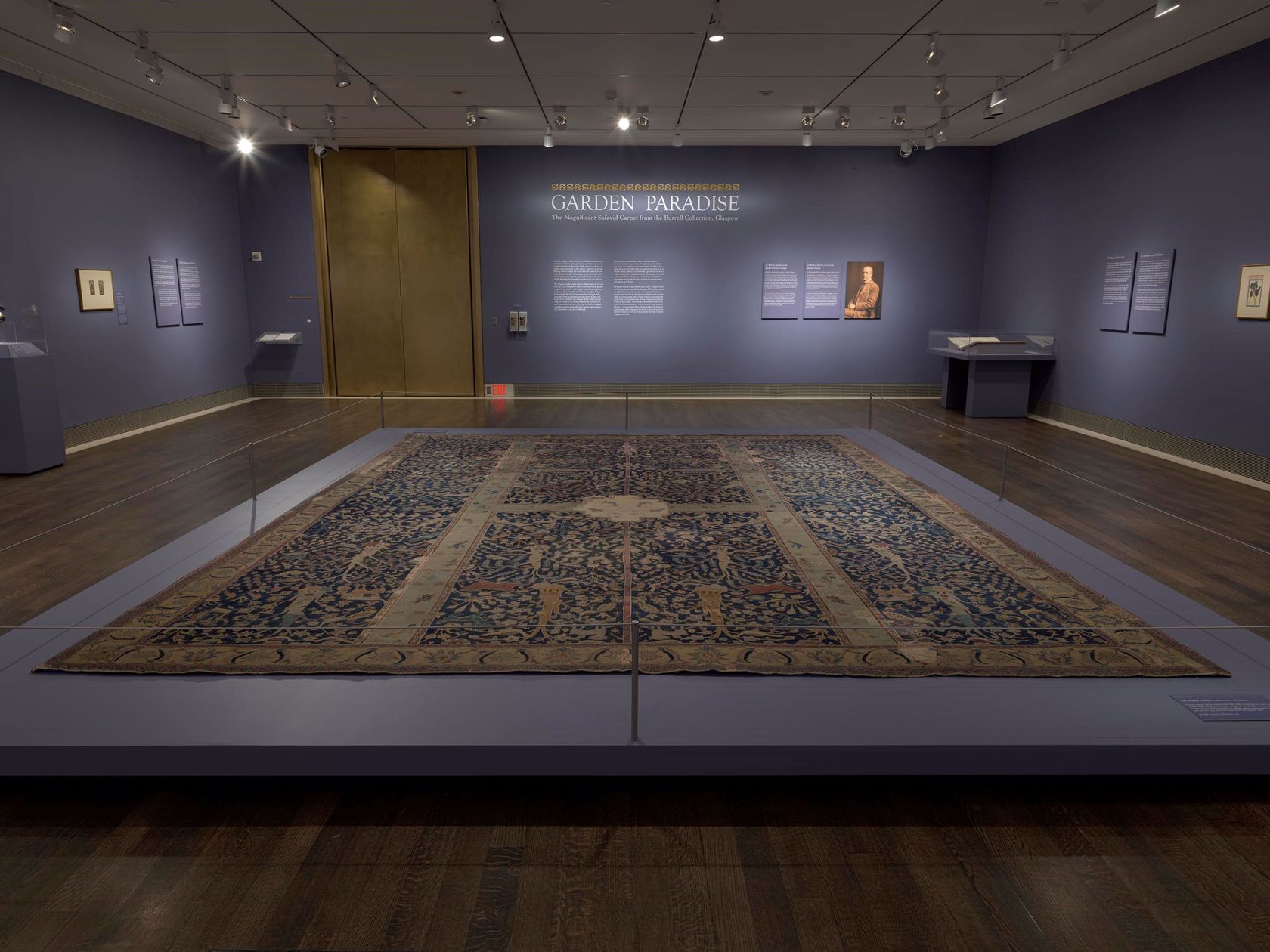
Installation view of Garden Paradise: The Magnificent Safavid Carpet from the Burrell Collection, Glasgow, featuring the Wagner Garden Carpet. Woven in southeastern Iran in the 17th century, it is one of the three earliest surviving Persian garden carpets in the world.
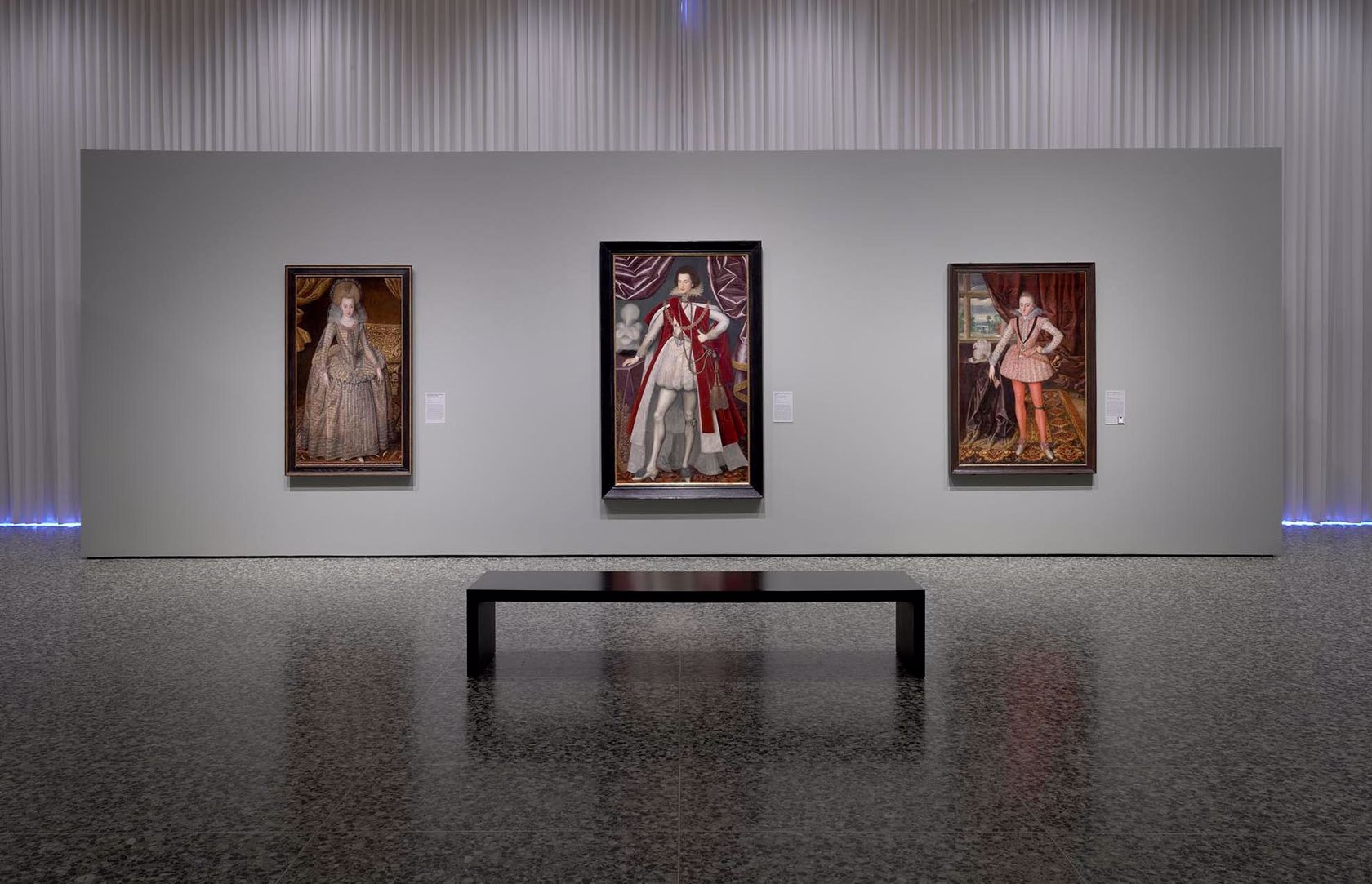
Installation view of Tudors to Windsors: British Royal Portraits from Holbein to Warhol.
Posts
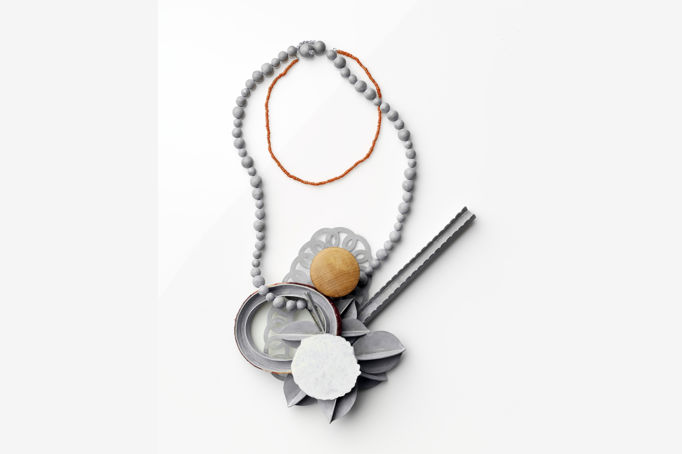
At-Home Art Activity “Exploring Materials and Creating & Modifying Beads” November 15, 2022
Create your own art while exploring a variety of materials and beads, with inspiration from works in the MFAH collections.
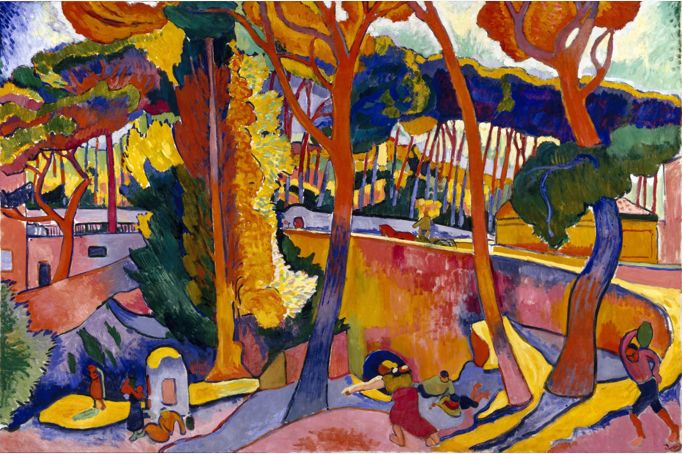
At-Home Art Activity “Exploring Fauvism and Creating Colorful Landscapes” October 10, 2022
Make your own art inspired by the Fauvist movement and André Derain’s The Turning Road, L’Estaque.
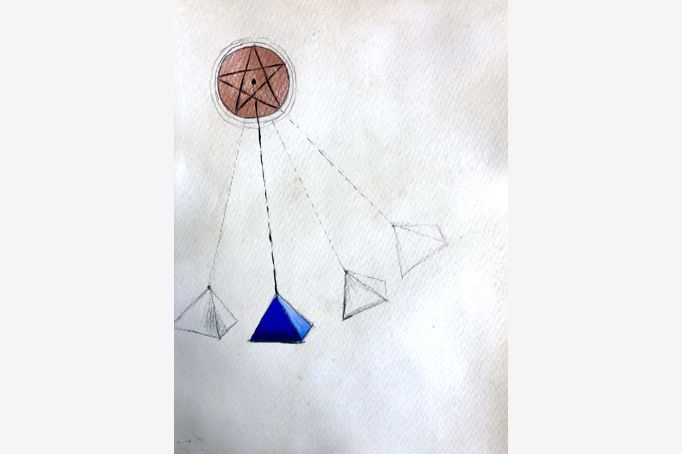
At-Home Art Activity Inspired by “Shahzia Sikander: Extraordinary Realities” May 20, 2022
Make your own art inspired by the work of Shahzia Sikander in the exhibition Extraordinary Realities.
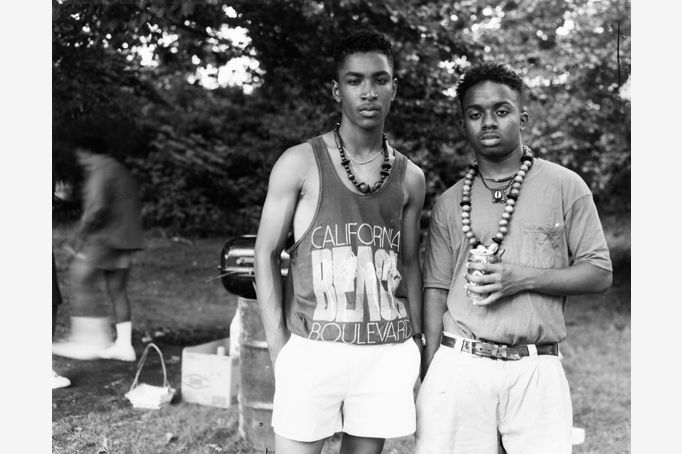
At-Home Art Activities Inspired by “Dawoud Bey: An American Project” May 6, 2022
Create your own works of art with these projects and inspiration from the photographs in the exhibition Dawoud Bey: An American Project.
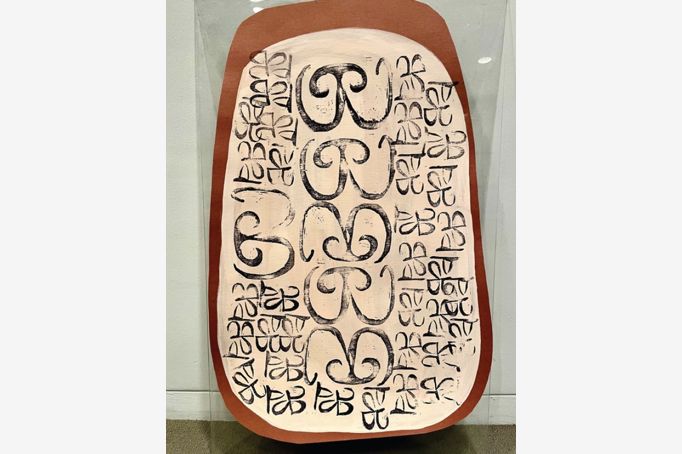
At-Home Activities Inspired by Art from the Indigenous Pacific Islands and Australia May 2, 2022
Create your own works of art with inspiration from the Indigenous Pacific Islands and Australia.