
MFAH Films Keeps the Light Alive
Ralph Kaethner has served as a projectionist at the MFAH for more than three decades. Though he and I have worked together for almost 12 years, it’s still impressive to see 35mm reel-to-reel projection in the hands of a professional. The Dying of the Light, a documentary we’re screening August 14 and 18, focuses on the displacement of 35mm by digital cinema. I spoke with Ralph about these changes.
The documentary The Dying of the Light outlines how technology has changed the movie-viewing experience. The projection booth has been on the front line for these changes, from the emergence of sound to the birth of the blockbuster and the proliferation of multiplexes. How has the shift to digital changed things for movies?
I don’t much care for the digital world. There are cool aspects about it, of course: A lot of things are easier, faster, and cheaper, although I really don’t like that focus. It’s less human. I don’t know why anyone would remove functioning projectors from a booth—even with digital capacity, the projectors should be retained. When Quentin Tarantino insisted that The Hateful Eight be screened only in 70mm—that was awesome. Same with Christopher Nolan and Interstellar in 35mm. Theaters were scrambling to find the equipment and people they had discarded.
What does film lose when it loses the projectionist?
You lose the human element. It’s about delivering a quality experience, whether it’s making a product, building a car, or showing a film.
I love the clacking sound of the projectors when they’re going; I take pride in keeping the machines running smoothly and making perfect reel changes. When you hand off the task to a machine, then you take the soul out of the projection booth and diminish the human element that delivers the magic of film.
We’re lucky to be at a place like the MFAH that still feels 35mm reel-to-reel is relevant and important, aren’t we?
Yes, definitely. On the one hand I feel sad because I’m a dinosaur, a rare breed. But I do feel lucky to be somewhere that you can still see 35mm and 16mm film; to be in the trenches, showing film the way it was meant to be seen, in this special place.
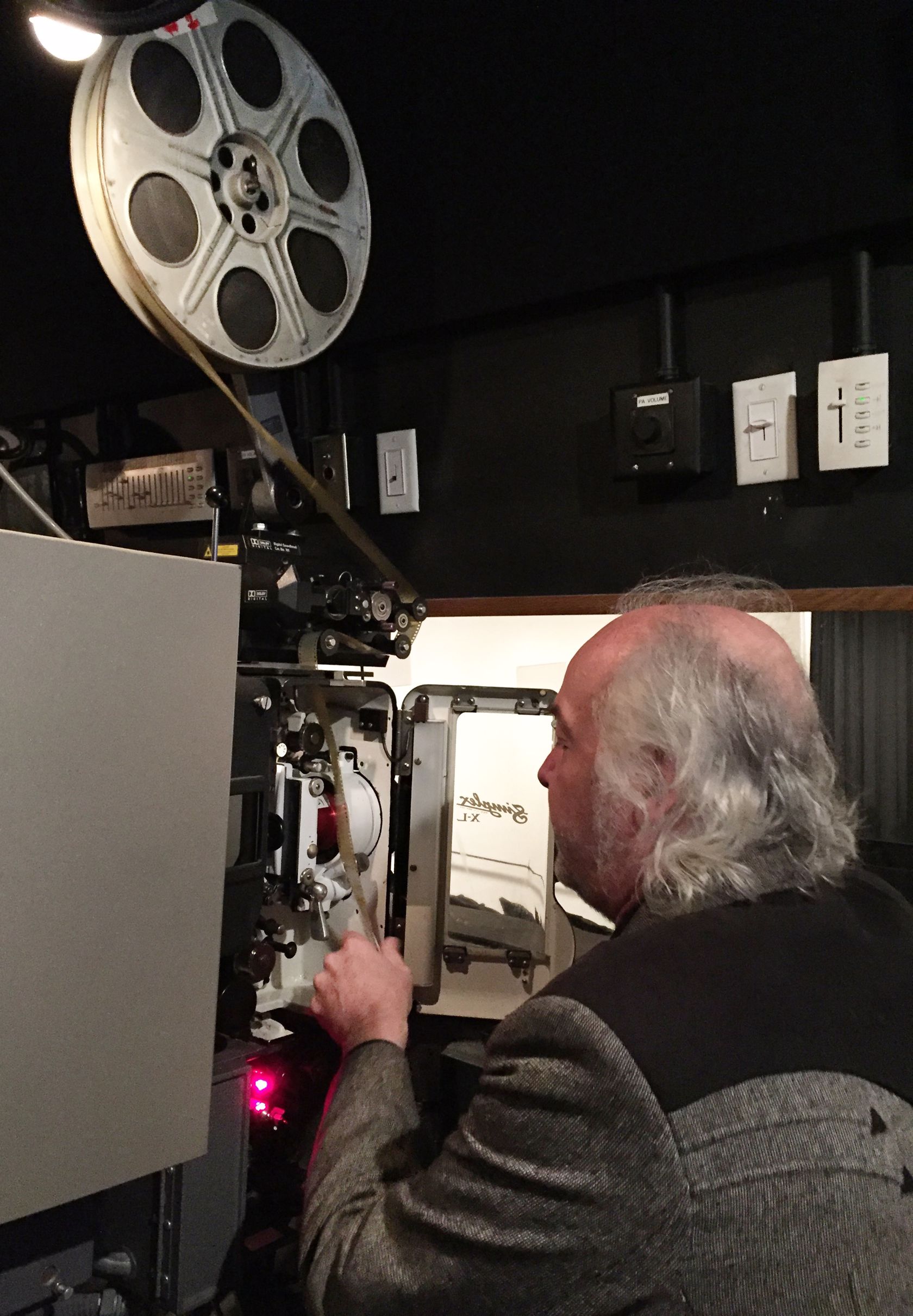
Ralph Kaethner loads a 35mm film reel into the projector. “I take pride in keeping the machines running smoothly and making perfect reel changes,” he said.
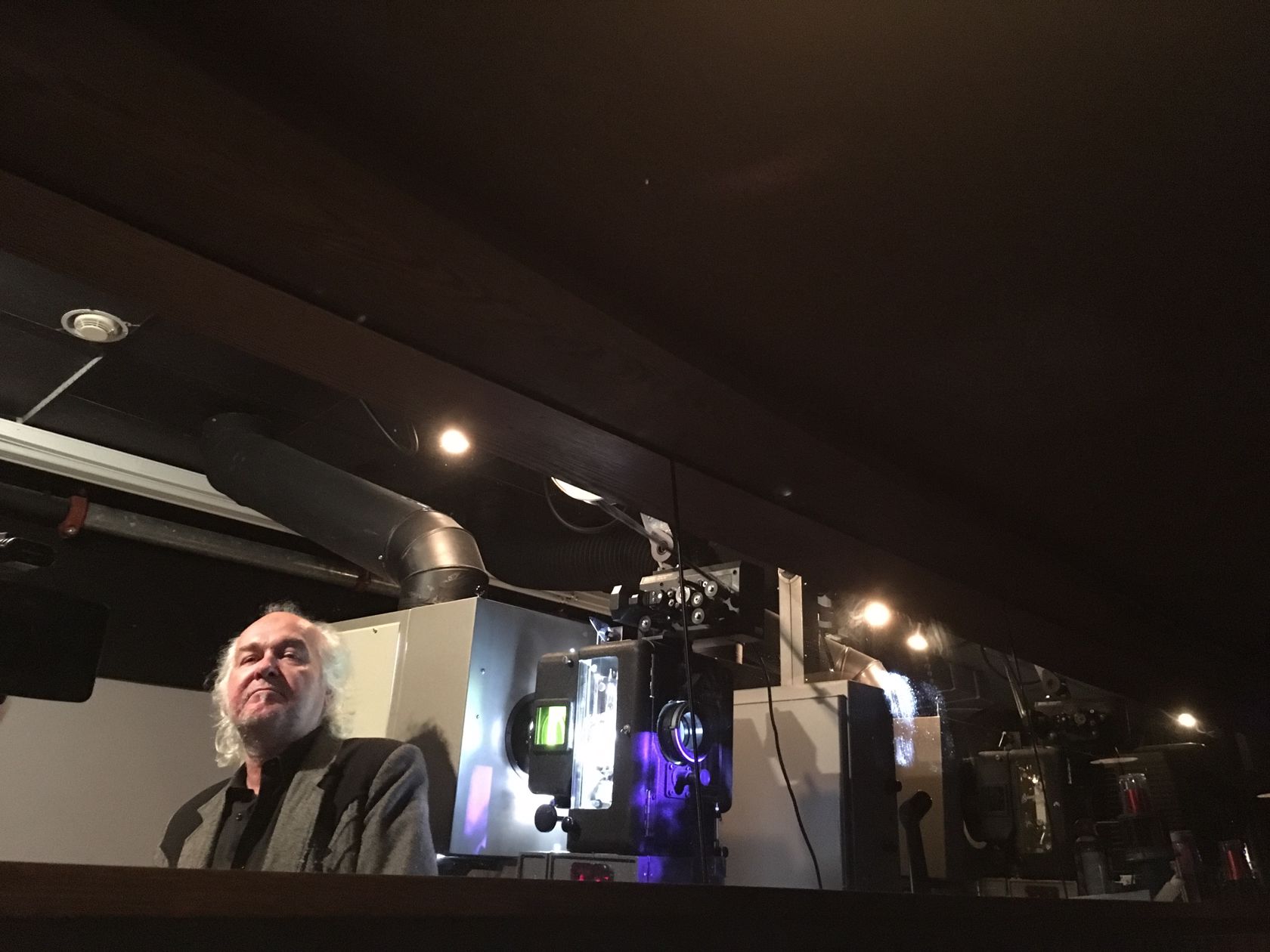
Ralph Kaethner in the projection booth, overlooking the Brown Auditorium Theater.
Posts
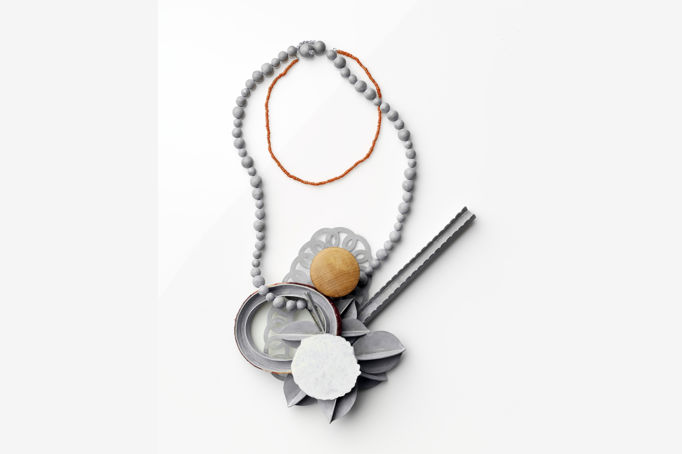
At-Home Art Activity “Exploring Materials and Creating & Modifying Beads” November 15, 2022
Create your own art while exploring a variety of materials and beads, with inspiration from works in the MFAH collections.

At-Home Art Activity “Exploring Fauvism and Creating Colorful Landscapes” October 10, 2022
Make your own art inspired by the Fauvist movement and André Derain’s The Turning Road, L’Estaque.
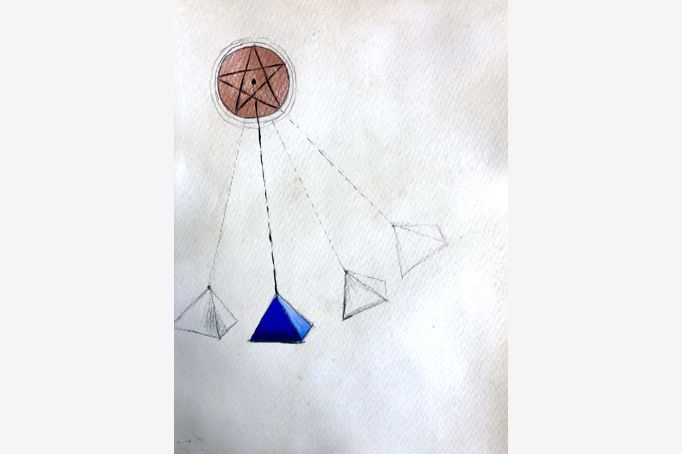
At-Home Art Activity Inspired by “Shahzia Sikander: Extraordinary Realities” May 20, 2022
Make your own art inspired by the work of Shahzia Sikander in the exhibition Extraordinary Realities.
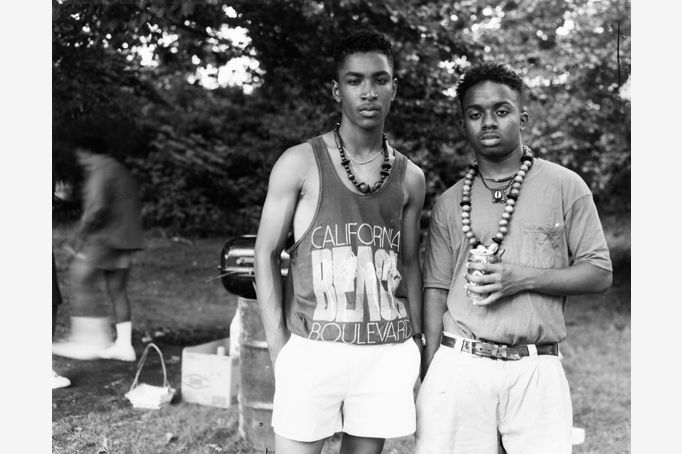
At-Home Art Activities Inspired by “Dawoud Bey: An American Project” May 6, 2022
Create your own works of art with these projects and inspiration from the photographs in the exhibition Dawoud Bey: An American Project.
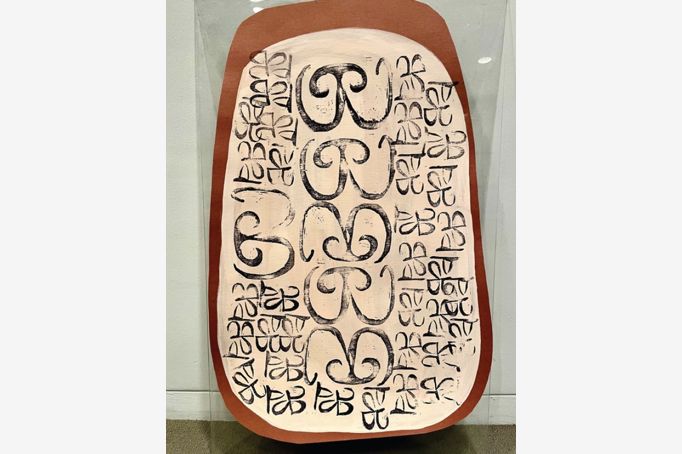
At-Home Activities Inspired by Art from the Indigenous Pacific Islands and Australia May 2, 2022
Create your own works of art with inspiration from the Indigenous Pacific Islands and Australia.