
Capturing “Inverted Worlds”: A Talk with Vera Lutter
German-born artist Vera Lutter uses an ancient technique to create the photographs on view in the exhibition Vera Lutter: Inverted Worlds.
For each photo, Lutter makes a massive pinhole camera by completely blacking out a room, shipping container, or specially constructed box, and opening a millimeter-wide hole to allow outside light to enter and images to form on photographic paper mounted inside, on the opposite wall. The exposure may last for hours, weeks, or months. The final product is a negative image—where light is dark and dark is light, and where left is right and right is left—resulting in a photograph in fine but inverted detail, with human movement erased by the long exposure time.
Lutter sat down with me to chat more about her haunting, large-scale photos of cities and industrial landscapes.
How do you pick the locations to photograph? What about them speaks to you?
There are certain themes I’ve been engaged with: New York City, first and foremost. I’m also very interested in travel, transportation, and voyage. I have several images in the exhibition to that extent: the mining field, which supplies energy for our constant movements, and the oil rig, again pointing toward energy of movement.

Gallery view of Inverted Worlds
I wanted to photograph Venice because I was interested in seeing when the city floods, when Venice’s reflections are suspended underneath the city itself. I went to the lowest elevation, where it was most likely to flood, and a friend helped me find a room with a good view. There are a lot of factors going in to the decision where I set up my camera.

Vera Lutter, San Marco, Venice, XX: December 3, 2005, 2005, gelatin silver prints, the Museum of Fine Arts, Houston, Museum purchase funded by the Caroline Wiess Law Accessions Endowment Fund. © Vera Lutter
You mentioned New York. How did you photograph Times Square?
I looked for a long time for the right hotel room with that iconic Times Square view, the one with Seventh Avenue and Broadway meeting. I’m quite high up, which gives me that view with a certain distance.
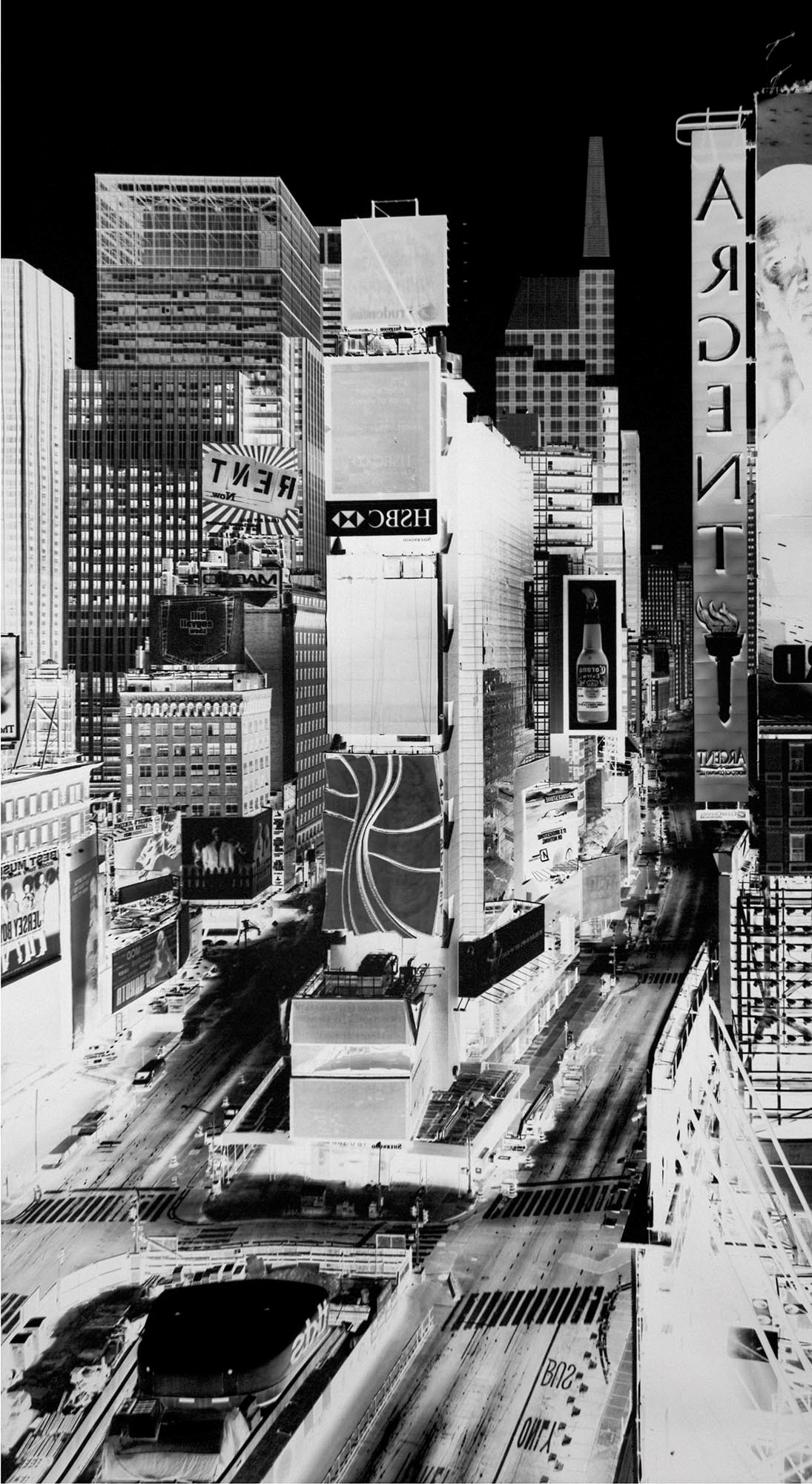
Vera Lutter, Times Square, New York, V: July 31, 2007, 2007, gelatin silver print, collection of the artist, courtesy Gagosian Gallery. © Vera Lutter. Courtesy Gagosian Gallery
Your industrial images remind me of the outskirts of Houston. If you photographed here, is that the sort of place you’d be drawn to?
I haven’t seen that here, but that would probably be the area I’d go. I grew up in an industrial center near Dusseldorf, Germany, which was a center of steel and coal mining. The landscape around me was built up from industry. The old, monumental structures were overwhelming and frightening. I think later on when I started photographing, I subconsciously thought of that. The monumentality, the technology, and the sort of inhumane aspect, they drive me. I’m inspired by landscapes that aren’t completely controlled, where things are left to develop—where it seems people are not participating, even though we know they are. They are just invisible.
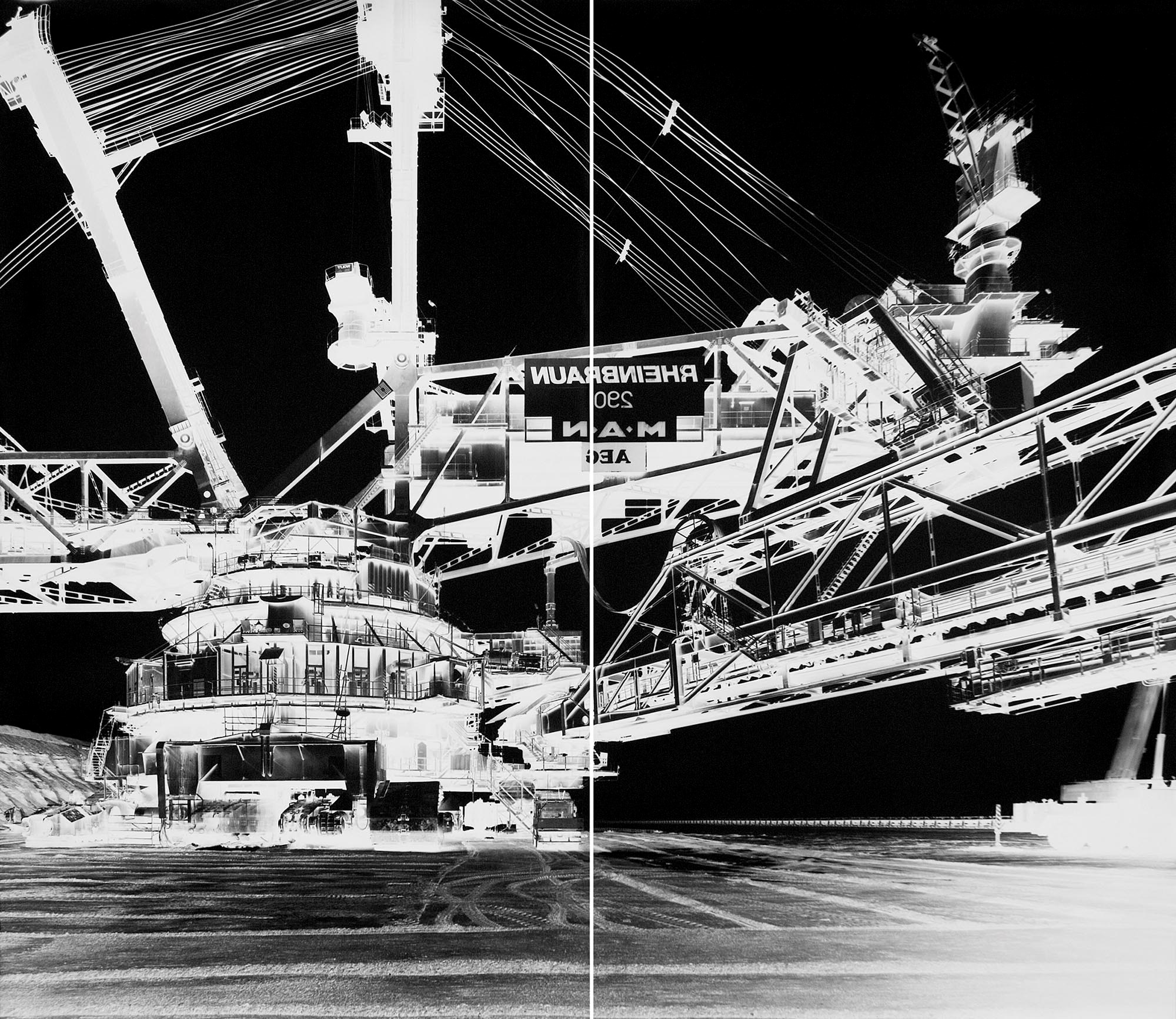
Vera Lutter, RHEINBRAUN, IX: August 30, 2006, 2006, gelatin silver prints, collection of Larry Gagosian. © Vera Lutter. Courtesy Gagosian Gallery
Hear more from Vera Lutter when she returns to the Museum for her artist’s talk on February 23. The exhibition, free with general admission, is on view in the Beck Building through March 27.
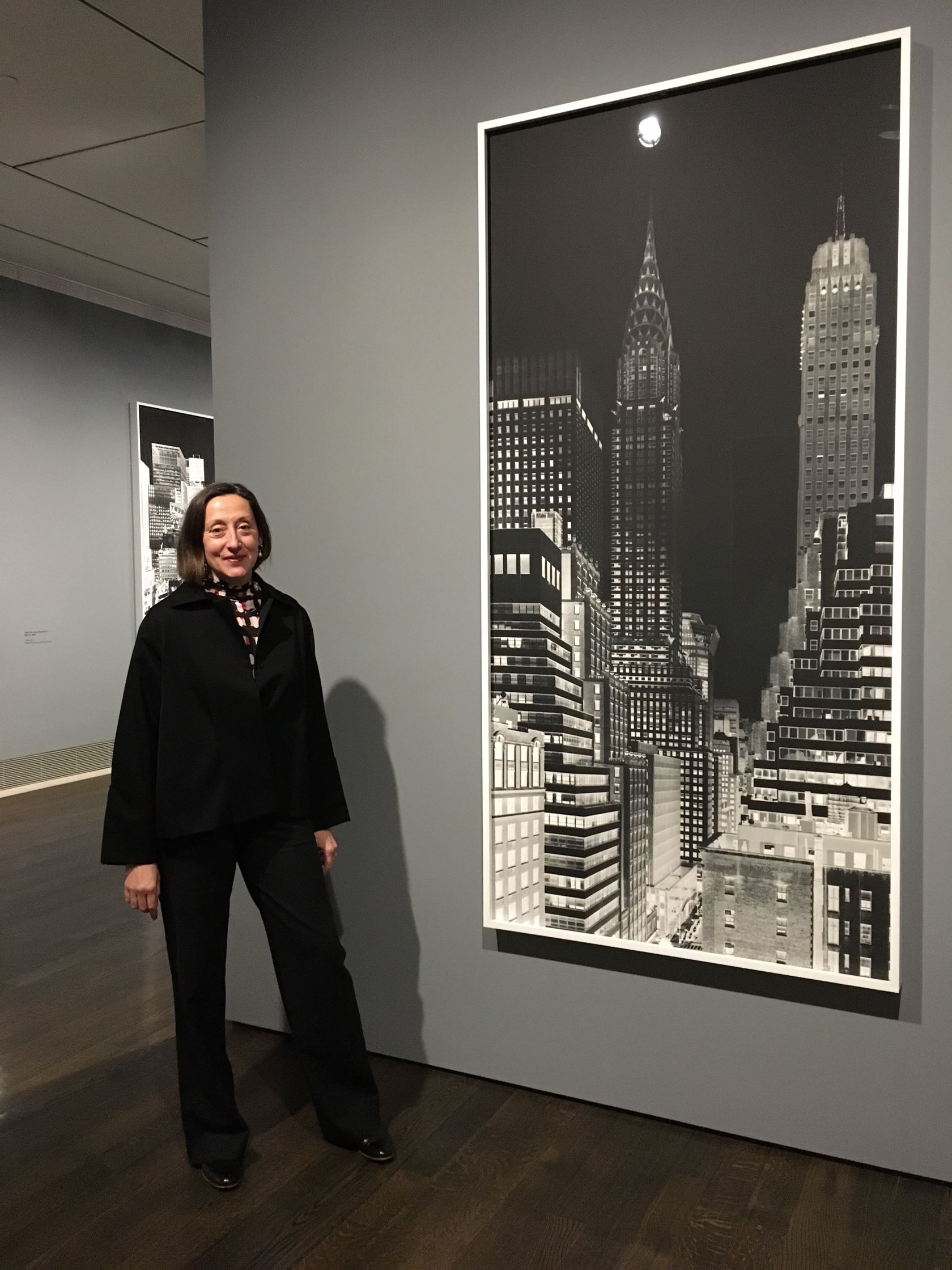
Vera Lutter in the Inverted Worlds gallery with her print Chrysler Building, IX: July 13, 2014.
Posts
At-Home Art Activity “Exploring Materials and Creating & Modifying Beads” November 15, 2022
Create your own art while exploring a variety of materials and beads, with inspiration from works in the MFAH collections.
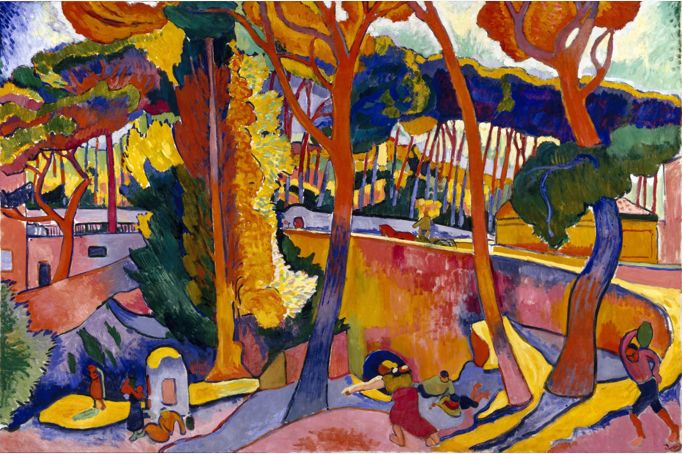
At-Home Art Activity “Exploring Fauvism and Creating Colorful Landscapes” October 10, 2022
Make your own art inspired by the Fauvist movement and André Derain’s The Turning Road, L’Estaque.
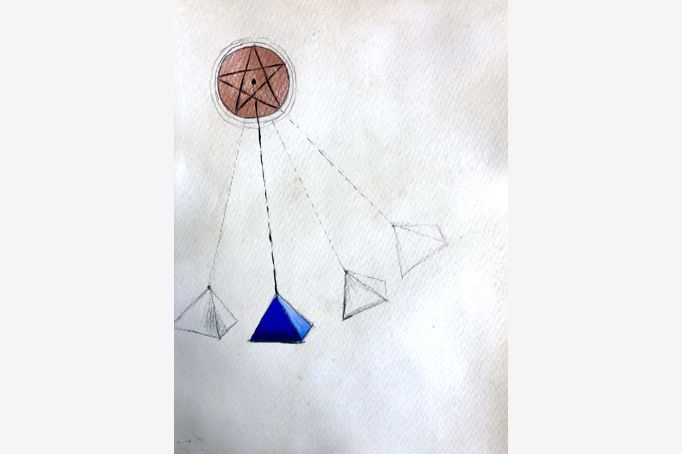
At-Home Art Activity Inspired by “Shahzia Sikander: Extraordinary Realities” May 20, 2022
Make your own art inspired by the work of Shahzia Sikander in the exhibition Extraordinary Realities.
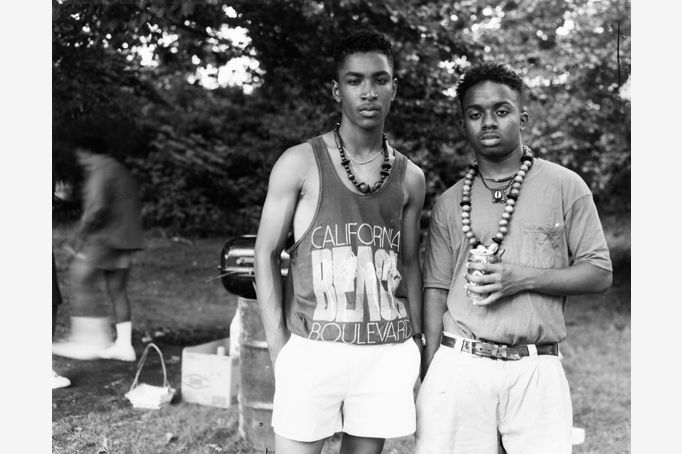
At-Home Art Activities Inspired by “Dawoud Bey: An American Project” May 6, 2022
Create your own works of art with these projects and inspiration from the photographs in the exhibition Dawoud Bey: An American Project.
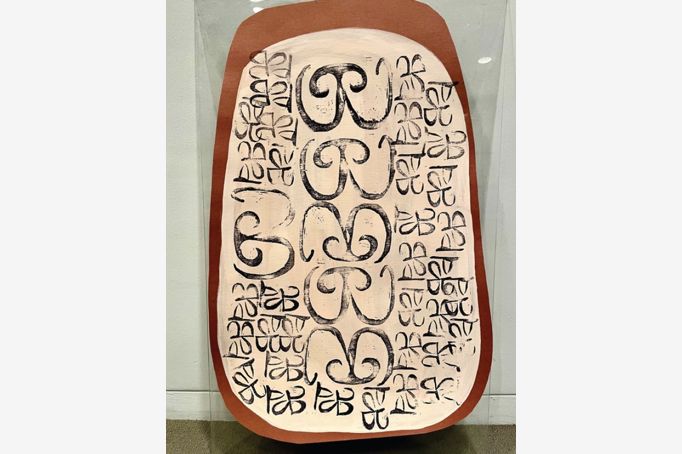
At-Home Activities Inspired by Art from the Indigenous Pacific Islands and Australia May 2, 2022
Create your own works of art with inspiration from the Indigenous Pacific Islands and Australia.