
Buns of Steel: Joachim Wtewael and the Human Body
I noticed that there’s a neat relationship between the front- and back-cover images of the catalogue for the exhibition Pleasure and Piety: The Art of Joachim Wtewael (1566–1638).
On the front is a full-length female nude (Andromeda) and on the back, a full-length male nude (Saint Sebastian). What is particularly intriguing is that each figure has one arm raised above the head, exposing an armpit. I would like to be able to take credit for this juxtaposition, but it was decided by committee and entirely unintentional anyway. Such a pose, not uncommon in the history of art, adds considerably to the sensuality of the figures, and one can find many a raised arm in the Wtewael exhibition. These figures may even provoke other sensory experiences—or at least memories or fantasies of them—in the viewer, and it occurs to me that the topic of “Pheromones and the History of Art” could inspire an article, book, or feature-length documentary.
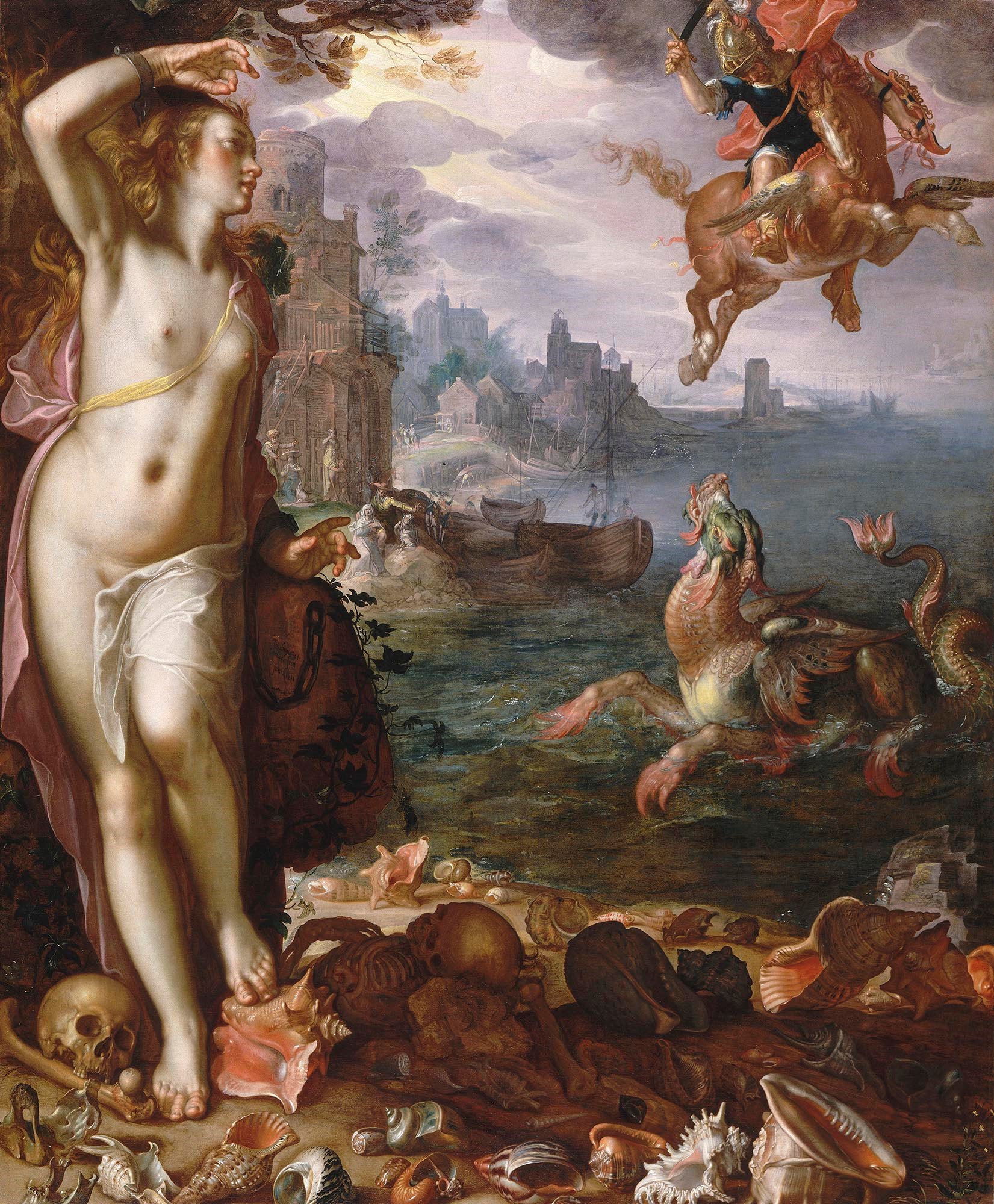
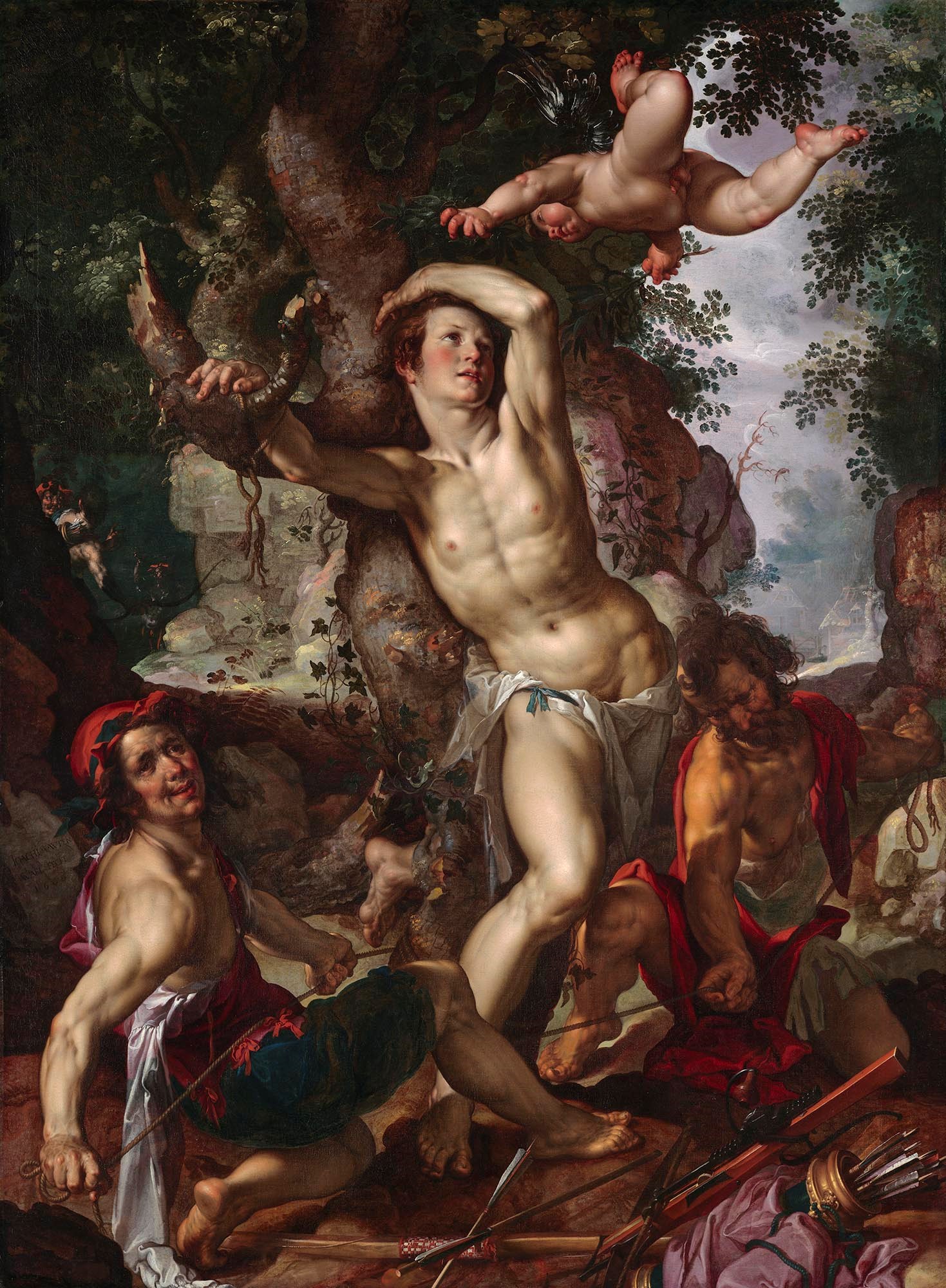
Left to right: Joachim Wtewael, Perseus and Andromeda, 1611, oil on canvas, Musée du Louvre, Paris; and The Martyrdom of Saint Sebastian, 1600, oil on canvas, the Nelson-Atkins Museum of Art, Kansas City, Missouri.
But my purpose here is more modest: to draw attention to Joachim Wtewael’s marvelous depictions of the human body, which you can see—generally unclothed or wearing clothes so form-fitting they may as well be nude—in Pleasure and Piety.
Wtewael was a master at depicting human bodies, and his paintings teem with them, from religious and mythological to human and divine. (A fun game for schoolchildren visiting the Museum would be to count all the naked people in the exhibition . . . or perhaps best not.)
Beautiful in face and body, rippling with muscles, elongated and contorted, perfectly blending nature and imagination, Wtewael’s figures lounge with grace and move with power. Following the conventions of late-16th-century art, Wtewael deploys the so-called figura serpentinata: a “serpentine figure” that fits into the curve of the letter “S” or writhes and wiggles like a flame.
He also responds to a challenge of the time: to show the same figure from the front and the back simultaneously. His figures become even more complex when they are entangled with others, like the lovers Venus and Mars locked in illicit embrace (above). They are a tour de force of the painter’s art.
► Hear more about this topic at James Clifton’s January 9 talk, “Buns of Steel,” and see “Pleasure and Piety” in the Beck Building through January 31, for free with general admission.
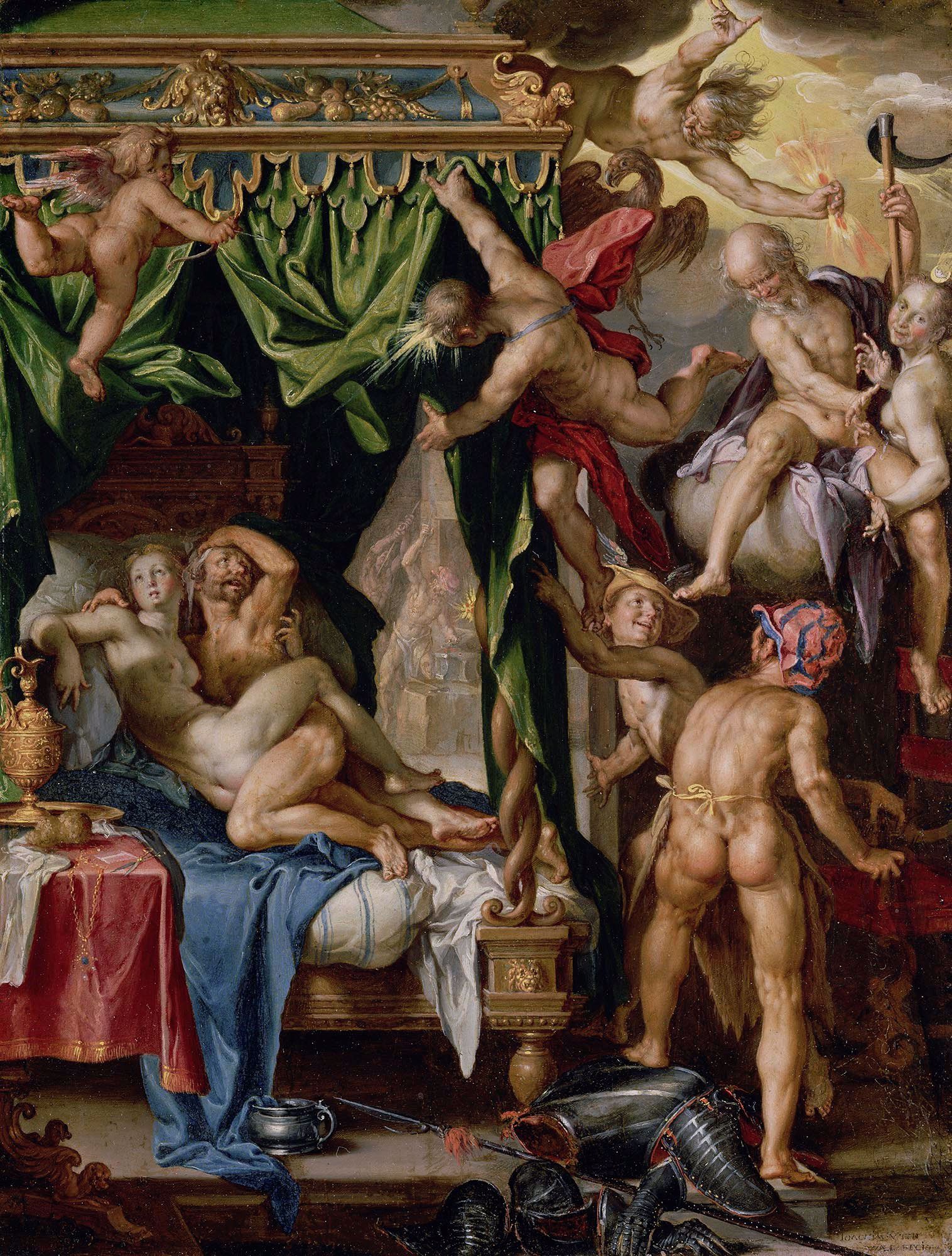
Joachim Wtewael, Mars and Venus Surprised by Vulcan, 1604–08, oil on copper, the J. Paul Getty Museum, Los Angeles.
Posts
At-Home Art Activity “Exploring Materials and Creating & Modifying Beads” November 15, 2022
Create your own art while exploring a variety of materials and beads, with inspiration from works in the MFAH collections.
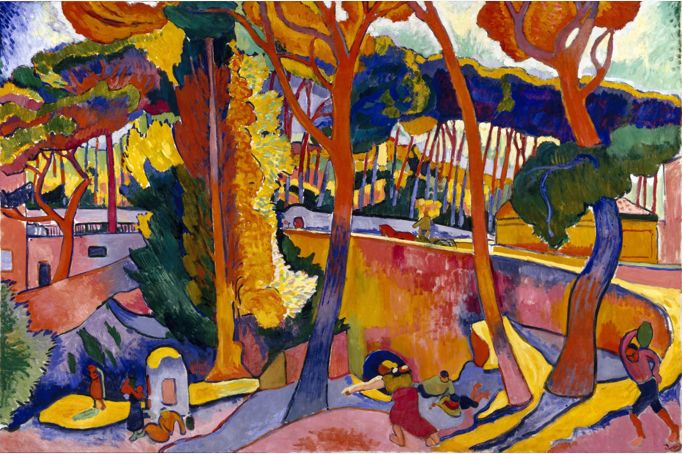
At-Home Art Activity “Exploring Fauvism and Creating Colorful Landscapes” October 10, 2022
Make your own art inspired by the Fauvist movement and André Derain’s The Turning Road, L’Estaque.
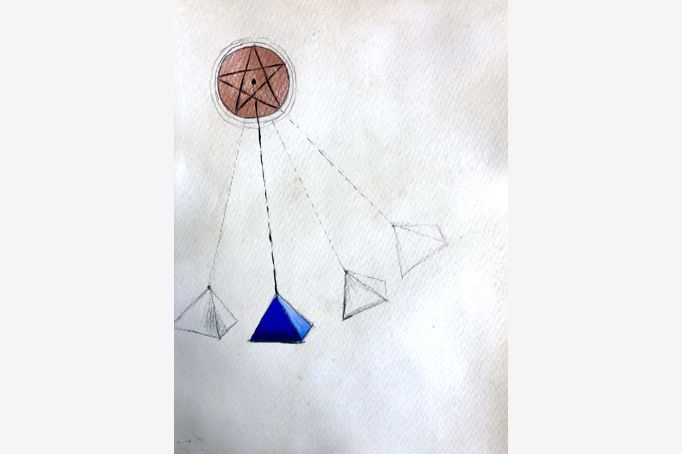
At-Home Art Activity Inspired by “Shahzia Sikander: Extraordinary Realities” May 20, 2022
Make your own art inspired by the work of Shahzia Sikander in the exhibition Extraordinary Realities.
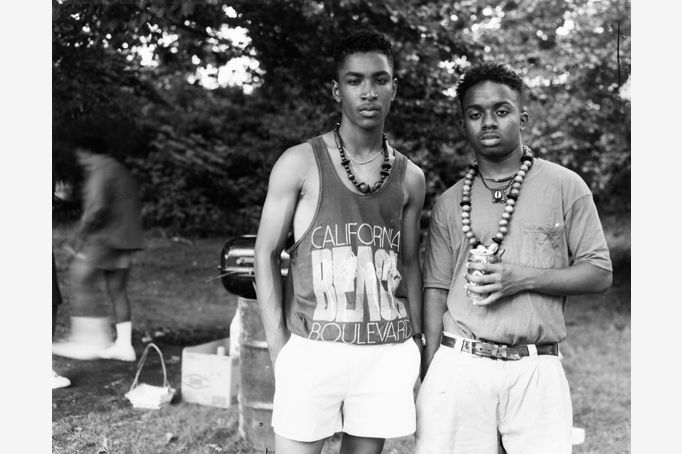
At-Home Art Activities Inspired by “Dawoud Bey: An American Project” May 6, 2022
Create your own works of art with these projects and inspiration from the photographs in the exhibition Dawoud Bey: An American Project.
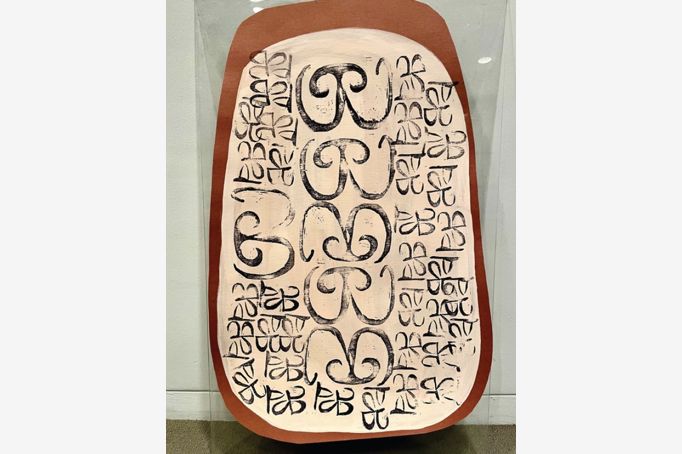
At-Home Activities Inspired by Art from the Indigenous Pacific Islands and Australia May 2, 2022
Create your own works of art with inspiration from the Indigenous Pacific Islands and Australia.